Key Hurricane Resilience Features in Cocoa Beach Homes
April 23, 2026
April 23, 2026
Buying near the ocean comes with a big lifestyle upside, but in Cocoa Beach, it also means paying close attention to how a home handles wind and water. If you are searching for a property on this barrier island, hurricane resilience is not just a nice bonus. It can affect safety, maintenance, insurance, and your long-term peace of mind. This guide walks you through the key hurricane resilience features to look for in Cocoa Beach homes so you can ask better questions and make a more confident move. Let’s dive in.
Cocoa Beach is a barrier island, and the city notes that the area is vulnerable to flooding, storm surge, and mandatory evacuations. According to the City of Cocoa Beach emergency preparedness information, storm surge is the most likely source of flood hazards on the island.
That makes hurricane resilience a practical part of home shopping, not just a construction detail. When you are comparing homes, it helps to look past finishes and focus on how the property was built, upgraded, and documented.
A good first step is checking the property’s flood risk by address through FEMA’s official Flood Map Service Center. That gives you a more accurate starting point than relying on general impressions of an area.
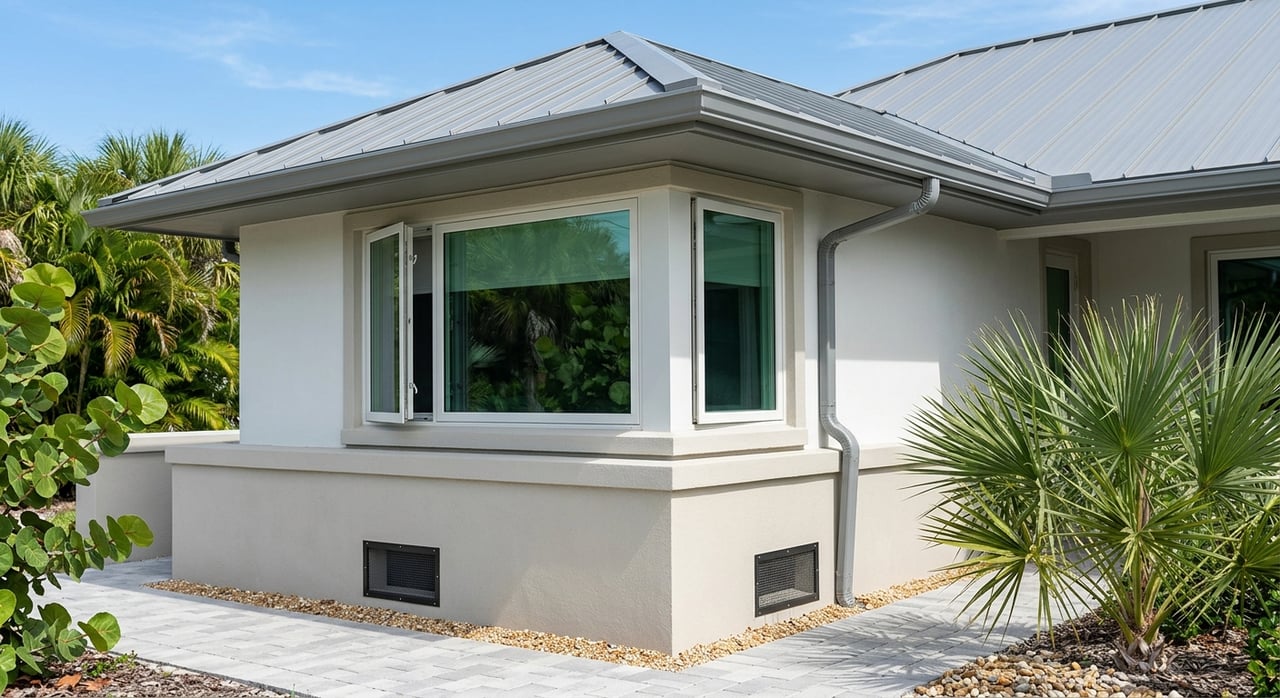
Wind damage often begins where the home is most exposed. In many Cocoa Beach homes, the most important items to review are the windows, doors, shutters, garage door, and roof system.
Impact-resistant windows and doors, or code-approved shutters, are some of the clearest resilience upgrades a coastal buyer can find. Citizens notes that opening-protection credit generally requires all exterior openings, or all glazed exterior openings, to be fully protected with products that meet Florida or Miami-Dade approval standards, as explained in its opening protection credit guidance.
In practical terms, that means you should ask whether the home has impact-rated windows, impact-rated doors, approved shutters, and a protected garage door where applicable. You should also ask for product documentation, invoices, or permit records that show what was installed.
That paperwork matters because Cocoa Beach lists both hurricane shutters and window replacements as permit-required work through its Building Division. If a seller says the home has storm-resistant upgrades, permit history can help confirm the work was done properly.
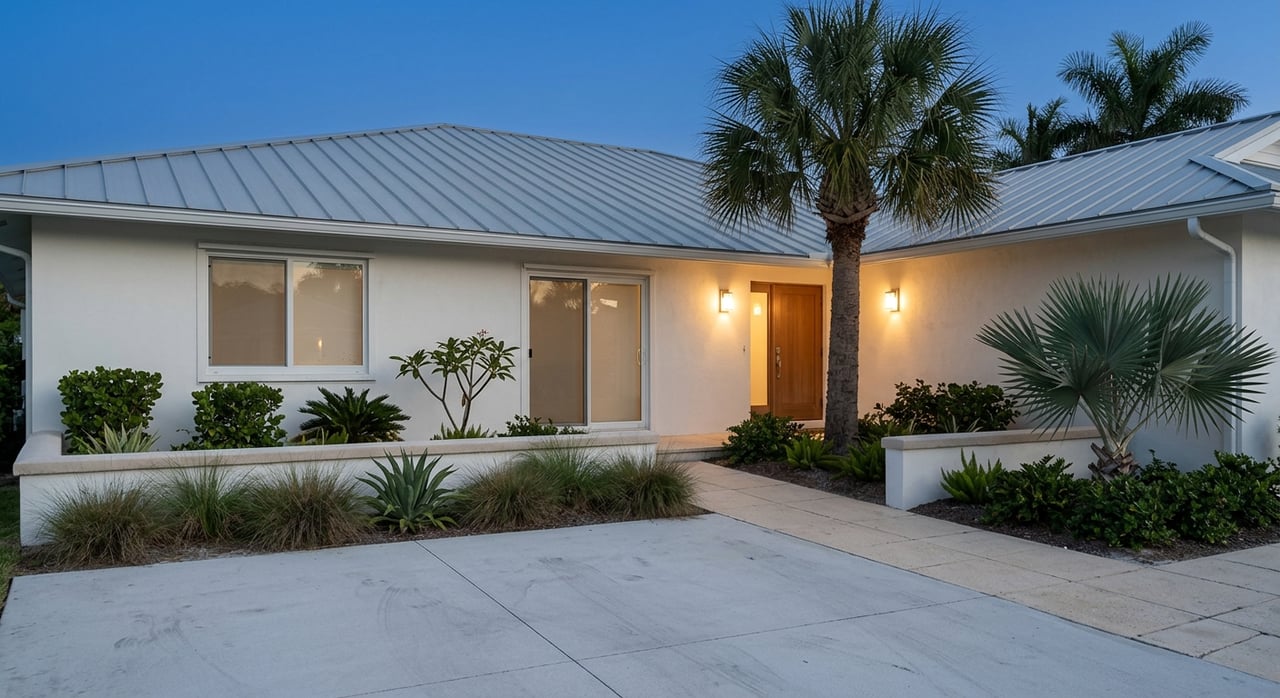
In a hurricane-prone coastal area, the roof system matters more than many buyers realize. It is not only about the age of the roof covering. It is also about how the roof is shaped, fastened, and connected to the rest of the home.
Citizens’ wind mitigation documentation guidelines look at features such as roof shape, roof-deck attachment, roof-to-wall connection, and secondary water resistance. The same guidance notes that attic access is often needed to verify several of these features.
For buyers, that means a newer roof alone does not tell the full story. A home with a documented roof replacement under permit, a favorable roof shape such as a hip roof, and records showing stronger attachment details may offer stronger resilience and better insurance documentation.
The Insurance Institute for Business & Home Safety also highlights the roof as the home’s first line of defense through its FORTIFIED Roof approach. While not every home will have that designation, the idea is useful during your search: look for evidence that the roof was upgraded as a system, not just resurfaced.
In Cocoa Beach, flood resilience deserves just as much attention as wind protection. Two homes on the same street can have very different flood-related features and records.
FEMA says new and substantially improved residential buildings in flood zones must have the lowest floor at or above the Base Flood Elevation. FEMA also defines freeboard as extra height above BFE, and notes that it can significantly lower flood insurance rates. You can review this concept on FEMA’s page about residential buildings in flood zones.
For a buyer, one of the most useful documents is the elevation certificate. Cocoa Beach’s permit process requires a FEMA elevation certificate before a certificate of occupancy is issued, which makes that record especially important during due diligence, according to the city’s building permit application procedures.
If the home is elevated, ask for the elevation certificate early in the transaction. It can help you understand how the home sits relative to flood requirements and may also help when you are gathering insurance quotes.
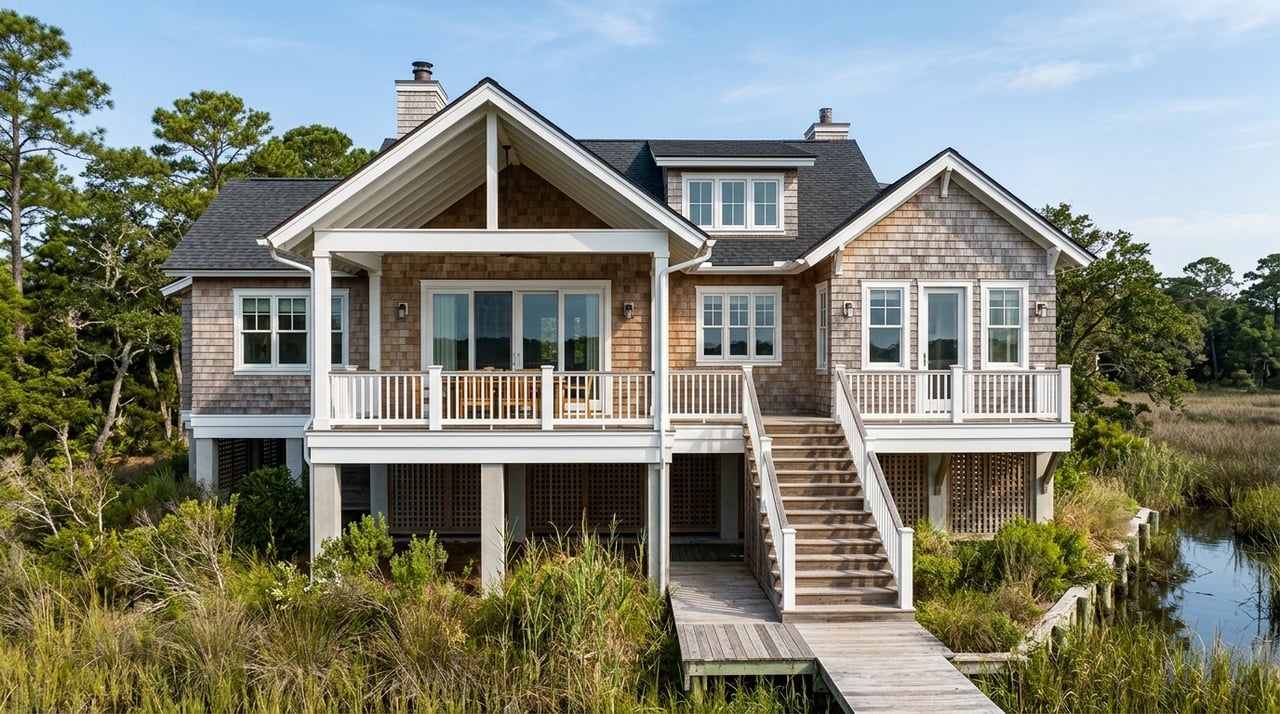
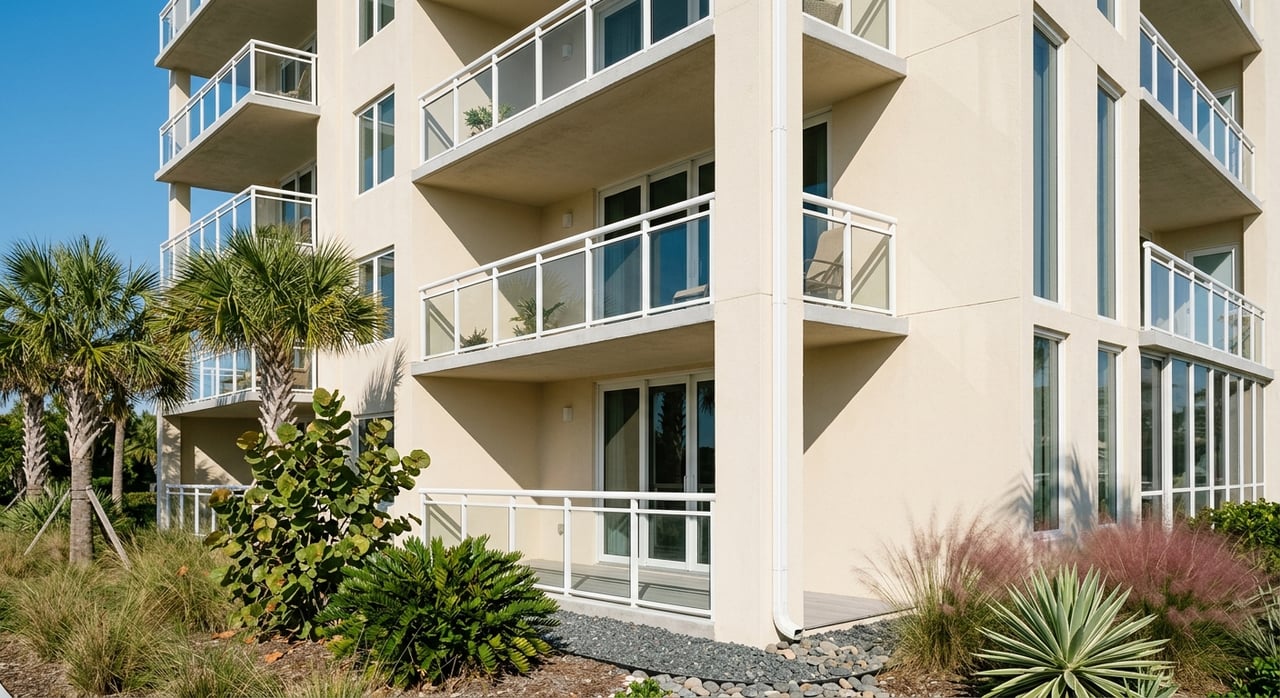
Some elevated coastal homes have enclosed areas below the elevated living space. FEMA says that if a home has an enclosed area below the elevated floor, that space should be designed to automatically equalize hydrostatic flood forces.
FEMA’s guidance for proper flood openings in enclosures calls for at least two openings on at least two walls. It also states that the total net opening area should be at least 1 square inch for each square foot of enclosed area subject to flooding, with the bottom of the openings no more than 12 inches above the higher of the exterior or interior adjacent grade.
These lower-level spaces are generally limited to parking, building access, or storage. If you are considering a raised home, this is worth a closer look because enclosure design can affect both compliance and flood performance.
A resilient feature only helps you if it was installed correctly and can be documented. That is why permit history is a major part of evaluating Cocoa Beach homes.
Florida’s 8th Edition Building Code became effective on Dec. 31, 2023. Because codes change over time, the date of a roof replacement, shutter installation, or window upgrade matters. A home improved under a more recent code may offer stronger documented protections than an older upgrade.
Cocoa Beach also states that building permits protect the owner and the neighborhood, and that owners are responsible for getting them. The city further notes that work beginning without a permit can expose the owner to citation, which is another reason missing records should raise questions.
When you review a property, pay special attention to permit records for:
If the seller cannot provide records for major storm-related upgrades, it does not automatically mean the home is a bad fit. It does mean you should slow down, ask more questions, and confirm what can be verified before closing.
Insurance paperwork can tell you a lot about a home’s storm-readiness. It can also help you estimate ownership costs more accurately.
Florida’s Office of Insurance Regulation explains that consumers can use the official Uniform Mitigation Verification Inspection Form to document wind features. Citizens also says the form is valid for up to five years if no material changes have been made.
Citizens lists possible discounts tied to features such as opening protection devices, roof shape, roof-deck attachment, roof-to-wall connection, secondary water resistance, and Florida Building Code compliance for certain newer homes. Just keep in mind that a home does not automatically qualify for every credit. Documentation matters.
Useful items to request include:
These records can help you compare homes more clearly, especially when two listings seem similar on the surface.
If you want a simple way to spot red flags, start with a focused list of questions. The answers can quickly tell you whether a home’s resilience features are well documented or mostly based on assumption.
Ask the seller or listing side:
These are not technical questions for the sake of sounding informed. They are practical questions that can affect repair risk, insurability, and ownership costs.
If you are feeling overwhelmed, focus on the features and documents that tend to matter most first. In Cocoa Beach, that usually means looking at the home through four lenses: wind protection, roof quality, flood elevation, and paperwork.
Here is a simple priority checklist:
A beautiful beach home is still a major financial decision. The more clearly you can verify these details, the more confidently you can move forward.
In a coastal market like Cocoa Beach, the right home is not only about views, layout, or proximity to the water. It is also about understanding the details behind the listing and knowing which records to request before you commit.
If you are buying or selling along the Space Coast, Ray Giamporcaro can help you look beyond the surface, ask smart due diligence questions, and navigate the process with clear local guidance.
Stay up to date on the latest real estate trends.

Get assistance in determining current property value, crafting a competitive offer, writing and negotiating a contract, and much more. Contact Ray today to discuss all your real estate needs!