You are excited about a home steps from the sand, but the insurance details feel confusing. That is normal for coastal buyers on Florida’s Space Coast. With the right plan, you can protect your investment and cruise through closing with confidence. In this guide, you will learn the basics of Florida homeowners and flood insurance, how Melbourne Beach home features affect pricing, and the smart steps to take before you write an offer. Let’s dive in.
Florida policy basics you need
Florida homeowners typically use an HO-3 policy for single-family homes. HO-5 policies offer broader contents coverage, while HO-6 policies are for condos and DP-3 for rentals. Older or historic homes may use HO-8. Your agent can help match the policy type to your property and how you plan to use it.
Wind, hail, and hurricane damage usually fall under the homeowners policy, subject to the insurer’s rules and your hurricane deductible. Flood is different. A standard homeowners policy does not cover flood. You buy flood insurance separately through the National Flood Insurance Program or a private flood carrier. If your home sits in a high-risk flood zone and you have a federally backed mortgage, your lender will typically require flood coverage.
Review these coverage elements closely:
- Dwelling limit and valuation method (replacement cost vs actual cash value)
- Other structures, personal property, liability, and loss of use
- Ordinance and law coverage for code-required upgrades after a loss
- Endorsements like water backup, mold, or sinkhole if relevant
- Wind or named-storm deductibles and any exclusions
If the private market cannot offer a policy, Citizens Property Insurance Corporation may be an option. Citizens is Florida’s insurer of last resort, and its availability and rates change over time. It is wise to check private carriers first.
How Melbourne Beach homes affect pricing
Melbourne Beach sits on a barrier island with exposure to storm surge, high winds, and salt. Those coastal conditions shape underwriting and premiums more than inland neighborhoods.
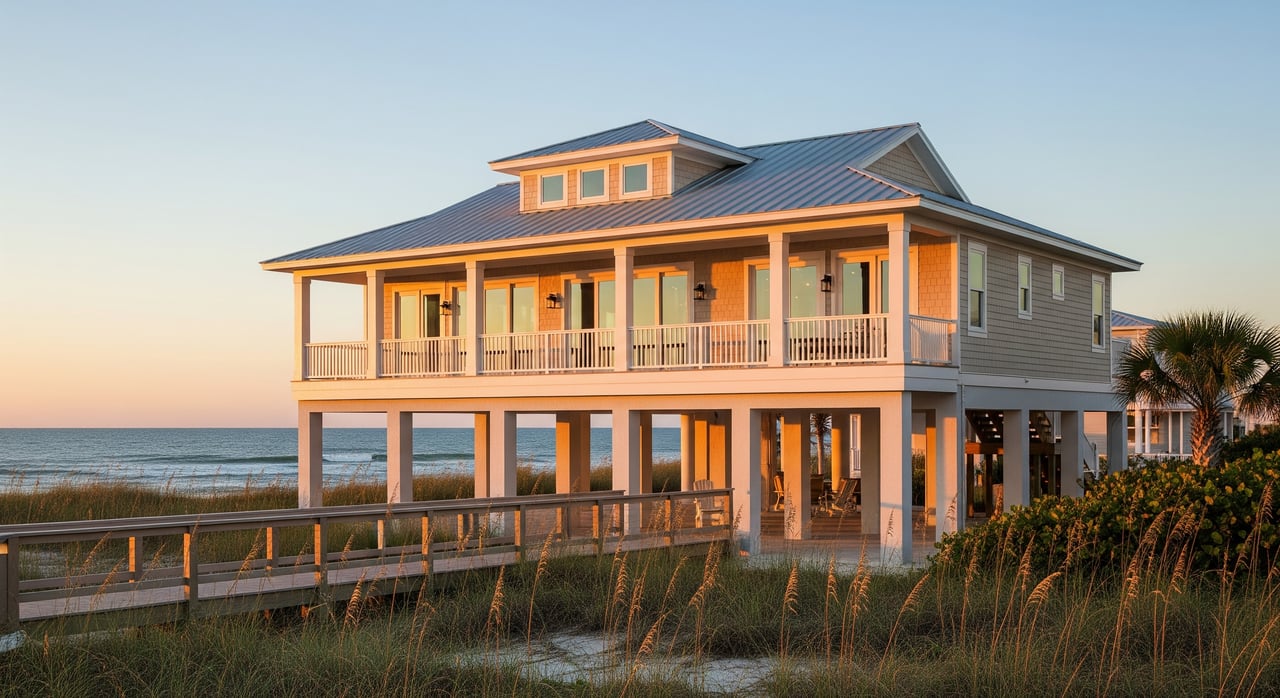
- Flood zones and elevation. Many parcels near the shoreline fall into FEMA high-risk flood zones like AE or VE. Finished floor elevation above the base flood elevation can reduce flood risk and lower flood premiums. An elevation certificate helps document this for insurers and lenders.
- Roof age and construction. Roof age is a major factor. Many insurers set maximum insurable ages or require a roof certification once a roof hits a certain threshold. Roof covering type, deck attachment, and roof-to-wall connections also matter for wind resistance.
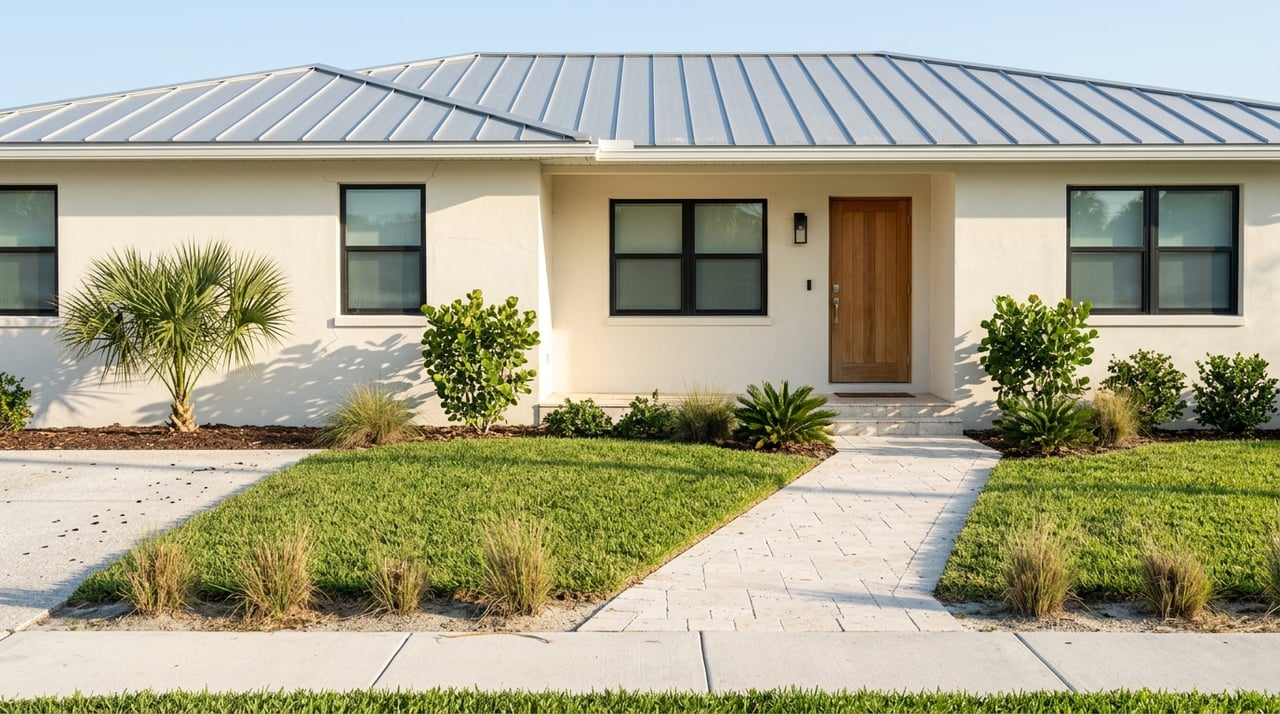
- Protected openings. Impact-rated windows or professionally installed shutters can earn credits. Hip roofs often perform better in wind than gable roofs and may help pricing.
- Secondary water resistance. Features like sealed roof-deck seams or upgraded underlayment can reduce water intrusion and may support credits.
- Code upgrades after a loss. Ordinance and law coverage helps pay for required building code updates during repairs, which is especially important for older coastal homes.
Wind-mitigation inspections and credits
Florida recognizes wind-mitigation inspections that document features insurers use to apply credits. Licensed inspectors, contractors, or engineers look at the roof covering, deck attachment, roof-to-wall connections, secondary water barriers, opening protection, and roof shape. The inspection yields a report that you or your agent can send to carriers when requesting quotes.
Common mitigation features that can help:
- Impact windows or properly rated shutters
- Hurricane straps or clips at roof-to-wall connections
- Improved roof deck attachment, such as ring-shank nails or closer spacing
- Secondary water barriers or taped seams
- Hip roof design or braced gable ends
- Newer, higher-rated roofing materials
If the roof is older, a roof certification from a licensed roofer or engineer can sometimes satisfy an insurer’s condition that the roof has a certain remaining life. Requirements vary, so ask each carrier what they accept and what the certificate must state.
The cost-benefit of upgrades depends on your home and the available credits. In many cases, replacing an aging roof or adding opening protection expands your carrier options and lowers premiums. If you are comparing two homes, the one with a new roof and documented mitigation often proves easier to insure.
Hurricane deductibles and budgeting
Many Florida homeowners policies use a percentage-based hurricane or named-storm deductible. This is calculated as a percentage of your dwelling coverage limit. Common percentages range from about 1% to 5%.
Here is how to compute your risk exposure:
- Example 1: A 2% hurricane deductible on a $450,000 dwelling limit equals $9,000 out of pocket for covered hurricane damage before the policy pays.
- Example 2: A 5% hurricane deductible on a $600,000 dwelling limit equals $30,000.
Non-hurricane perils often carry a separate flat deductible, such as $500 to $2,000, depending on the policy. Always confirm the exact amounts for both hurricane and non-hurricane claims.
Smart budgeting steps for coastal buyers:
- Plan for the homeowners premium plus separate flood insurance.
- Keep an emergency fund sized to your hurricane deductible.
- Price out needed mitigation, such as shutters or a roof replacement, especially if the current roof is near an insurer’s age limit.
- Expect higher premiums for low-elevation lots, older roofs, or homes without impact-rated openings.
- Consider an umbrella liability policy if you have significant assets, and verify availability with a local agent.
Steps to take before you make an offer
Do a little homework up front so you can write a clean, confident offer and avoid surprises during underwriting.
- Get early quotes. Ask multiple local agents to provide indicative quotes based on the property address, roof age, and mitigation features. This helps confirm insurability and budget range.
- Request existing reports. Ask the seller for a recent wind-mitigation report and a 4-point inspection, if available. If not, consider ordering them during the inspection period.
- Verify flood zone and elevation. Confirm the FEMA flood zone for the property and request any elevation certificate on file. If the home is in a high-risk zone, plan for flood insurance and lender requirements.
- Review roof documentation. Ask for roof permits, replacement dates, and any roof certifications that document remaining life.
- Check claims history. Prior major claims can impact market options and premiums.
- For condos. Clarify what the condo master policy covers and what you need in an HO-6 policy.
Questions to ask your insurance agent
Use this checklist to compare quotes and avoid gaps.
Policy structure and limits
- Is the dwelling coverage replacement cost or actual cash value, and how is replacement cost estimated?
- What are the limits for other structures, personal property, liability, and loss of use?
- Is ordinance and law coverage included or optional, and what is the sublimit?
Deductibles and storm clauses
- Is the hurricane or named-storm deductible a percentage or a flat amount? What is the dollar figure at the quoted dwelling limit?
- Are there separate deductibles for wind or hail?
- Are there any waiting periods or special rules during hurricane season?
Roof and mitigation specifics
- What is the maximum insurable roof age? When is a roof certification required, and what must it state?
- Which mitigation features qualify for credits, and what documentation is needed?
- Do you accept wind-mitigation forms from local licensed contractors, or do you require specific inspectors or engineers?
Flood and other coverages
- Is flood insurance required for this property? Do you offer private flood or refer to NFIP options?
- Are water backup, mold, sinkhole, or ordinance and law coverages included or endorsements?
Underwriting and claims handling
- How do you underwrite barrier island addresses and homes in VE coastal zones?
- What is your claims process and expected timeline? Do you use local adjusters?
- Are there exclusions that commonly impact coastal homes?
Pricing, stability, and alternatives
- Which discounts are available, such as multi-policy, new roof, impact windows, or mitigation credits?
- How often are policies re-rated, and what can trigger premium changes?
- Is the policy placed with an admitted carrier? If coverage is withdrawn, what protections apply, and would Citizens be the next step?
Administrative items
- Do you require a 4-point inspection? Which findings would affect eligibility?
- What endorsements do you recommend for older coastal homes to align with local code?
Local context for Melbourne Beach
Melbourne Beach buyers face coastal realities: higher wind exposure, potential storm surge, and more frequent salt-related wear. These conditions can translate to higher premiums and stricter underwriting than inland Brevard addresses. Lenders typically require flood insurance in high-risk zones, and most homeowners policies will include a hurricane deductible.
Carrier availability and rules can change quickly, so it pays to work with a licensed local agent who is active on the Space Coast. If private carriers decline the risk, Citizens may be a fallback. Ask your agent to lay out the pros and cons before you decide.
Make your move with a plan
A Melbourne Beach home can be both a lifestyle win and a smart investment when your insurance plan matches the property. Start with clear quotes, review roof age and mitigation, separate wind and flood coverage, and calculate your hurricane deductible in real dollars. With those steps, you can shop confidently, negotiate smarter, and protect your beachside dream.
If you want a local guide who understands Space Coast insurance realities and the Melbourne Beach market, reach out to Ray G and The SunSpot Team. We will help you align property selection, inspections, and insurance planning so you close with confidence. Connect with Ray Giamporcaro to get started.
FAQs
Do Melbourne Beach buyers need separate flood insurance?
- Yes. Standard homeowners policies do not cover flood, and many coastal properties are in high-risk zones where lenders commonly require flood insurance.
How do hurricane deductibles work on Florida policies?
- Many policies use a percentage-based deductible for hurricanes or named storms, typically between 1% and 5% of the dwelling limit, which you must pay before coverage applies.
What is a wind-mitigation inspection and why get one?
- It documents features like roof attachment, opening protection, and roof shape that can qualify you for premium credits and broader carrier options.
Will an older roof make insurance harder to get?
- Often yes. Many carriers set age limits or require a roof certification once a roof reaches a certain age, and some decline coverage for roofs beyond their threshold.
How can I check a Melbourne Beach home’s flood risk?
- Confirm the FEMA flood zone and request any elevation certificate from the seller; higher finished floor elevation relative to base flood elevation can reduce flood premiums.
When should I consider Citizens Property Insurance?
- Consider Citizens only after checking private market options; it is Florida’s insurer of last resort and its rates and availability can change over time.