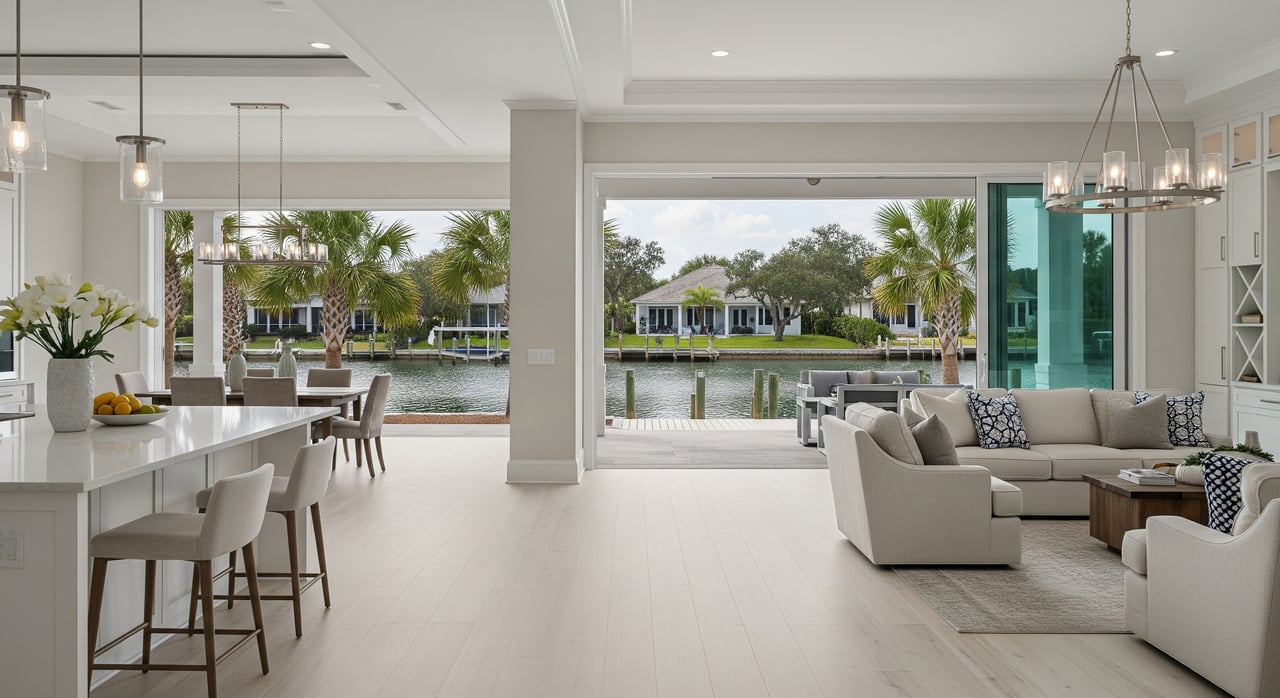
New Construction vs Resale Homes in Port Orange
January 15, 2026
January 15, 2026
Choosing between a new build and a resale home in Port Orange can feel like standing at a fork in the road without a map. You want the right fit for your budget, your timeline, and your long-term peace of mind. In this guide, you’ll see how each option stacks up on costs, timing, insurance, HOAs, warranties, inspections, and negotiation opportunities specific to Volusia County. Let’s dive in.
| Factor | New construction | Resale home |
|---|---|---|
| Move-in timeline | Weeks for inventory, 6–12+ months for build-to-order | Often 30–45 days after contract |
| Customization | High for floor plans and finishes | Limited to post-close updates |
| Upfront incentives | Builder credits or rate buydowns may be offered | Seller concessions vary by market |
| Repair risk | Low early on, punch-list items likely | Inspection can reveal needed repairs |
| Warranty | Tiered builder coverage is common | No builder warranty, rely on inspection |
| HOA/amenities | Often mandatory HOA with amenities | May be lower dues or no HOA |
| Insurance and taxes | Modern codes can help, premiums depend on location and flood zone | May face higher premiums if major systems are older |
| Appraisal/financing | Appraisal can be complex if few new comps | Standard comps and mortgages |
Port Orange permitting and impact fees can affect both timeline and budget. The City’s Building Division reviews permits, and review times depend on workload and project complexity. Impact and utility connection fees can add several thousand dollars to a new build, so it is smart to confirm fee schedules and current review timelines directly with the City.
Flood risk matters across coastal Volusia. Flood zone designations can trigger required flood insurance and influence premiums. Use the FEMA Flood Map Service Center to check parcel-specific risk before you commit to a lot or a resale property.
Insurance costs in Florida are influenced by wind and hurricane exposure. Newer homes often include modern wind mitigation features, but premiums still depend on location and underwriting. Review current trends with the Florida Office of Insurance Regulation and obtain quotes for the specific address.
Local market conditions and inventory change month to month. Pricing, days on market, and builder incentives shift with demand in Port Orange and the wider Daytona Beach metro area. Ask for a fresh snapshot before you decide.
New construction often starts with a base price that includes standard finishes. Options like flooring, cabinetry, counters, appliances, landscaping, and lot premiums can raise the total quickly. Request an itemized options list so you can compare the true cost.
Resale prices reflect condition and past upgrades. You gain negotiation room based on days on market, inspection findings, and comparable sales. Factor in the cost of any post-close updates you plan.
Builders may offer closing-cost credits, interest rate buydowns, or option discounts through preferred partners. These perks can help, but compare the total net effect, including any tradeoffs in price or financing terms.
With resale, sellers commonly provide credits or repairs depending on market balance and inspection results. Your leverage increases when the home has been listed longer or when inspection findings are significant.
New builds can require construction-to-permanent or stand-alone construction loans for certain products. These loans often need larger down payments and carry interest-only payments during construction. Review consumer guidance on construction loans from the Consumer Financial Protection Bureau and compare total costs to a standard mortgage.
Resale homes typically use conventional, FHA, or VA loans. FHA and VA have condition standards that can affect negotiations and repair requests.
New homes may benefit from newer materials and wind mitigation, which can lower risk. Resale homes with older roofs, windows, or outdated hurricane protection can face higher premiums or require upgrades. Always obtain quotes for the specific address.
For taxes, new construction will be assessed upon completion, which typically raises the bill from the vacant land assessment. The same local millage and homestead rules apply to both new and resale properties.
New master-planned communities often have mandatory HOAs, initiation fees, and amenity packages. Dues can rise as amenities are completed and as reserve funding grows. Builders sometimes subsidize dues for a limited period, so get the HOA budget and governing documents.
Established resale neighborhoods may have stable dues or no HOA at all. Older HOAs can offer more predictable budgets, but they can also levy special assessments for deferred maintenance.
New construction typically brings lower maintenance early on. Expect a punch list in year one that the builder addresses under warranty.
Resale homes can need immediate work on items like roof, HVAC, plumbing, or electrical systems. A thorough inspection helps you budget for repairs and negotiate credits.
Inventory homes can close in weeks to a few months. Built-to-order homes and custom builds often take 6–12 months or longer, depending on site work, permitting, material lead times, and builder backlog. Always confirm a realistic schedule with the builder.
City and County permit processing, plus any environmental or stormwater reviews, can add time. In Port Orange, confirm submittal requirements and average review times before you sign a build contract so your expectations match the process.
Resale transactions commonly close within 30–45 days after offer acceptance, depending on financing and contingencies. New-construction closings are tied to build progress and loan type. If you need proceeds from a home sale to fund your next purchase, explore sale contingencies, bridge financing, or short-term housing options.
New builds may be appraised using comparable new sales or the cost approach, which can be challenging if there are few comps. Make sure the contract price is supported by recent sales.
Resales are appraised with recent comparable sales. Large gaps between list price and comps can complicate financing.
Municipal inspections occur at key stages like foundation, framing, rough mechanicals, and final. Schedule independent third-party inspections as well, including a pre-drywall review and a final walkthrough. The final walkthrough creates a punch list that the builder addresses.
Builders commonly provide tiered warranty coverage, which often looks like 1 year for workmanship, 2 years for systems, and 10 years for structural elements. Always review the actual warranty document for coverage, response times, and dispute processes.
Your home inspection is the main tool to request repairs or credits. For major items, buyers often negotiate seller-paid repairs or closing credits. In a tighter market, expect fewer concessions and focus on the most critical fixes.
Ready to compare real, live options in Port Orange and nearby Volusia communities? Connect with a local, high-touch guide who knows the builders, the neighborhoods, and the market rhythms. Reach out to Ray Giamporcaro to weigh the tradeoffs and find the right spot for you.
Stay up to date on the latest real estate trends.
Get assistance in determining current property value, crafting a competitive offer, writing and negotiating a contract, and much more. Contact Ray today to discuss all your real estate needs!