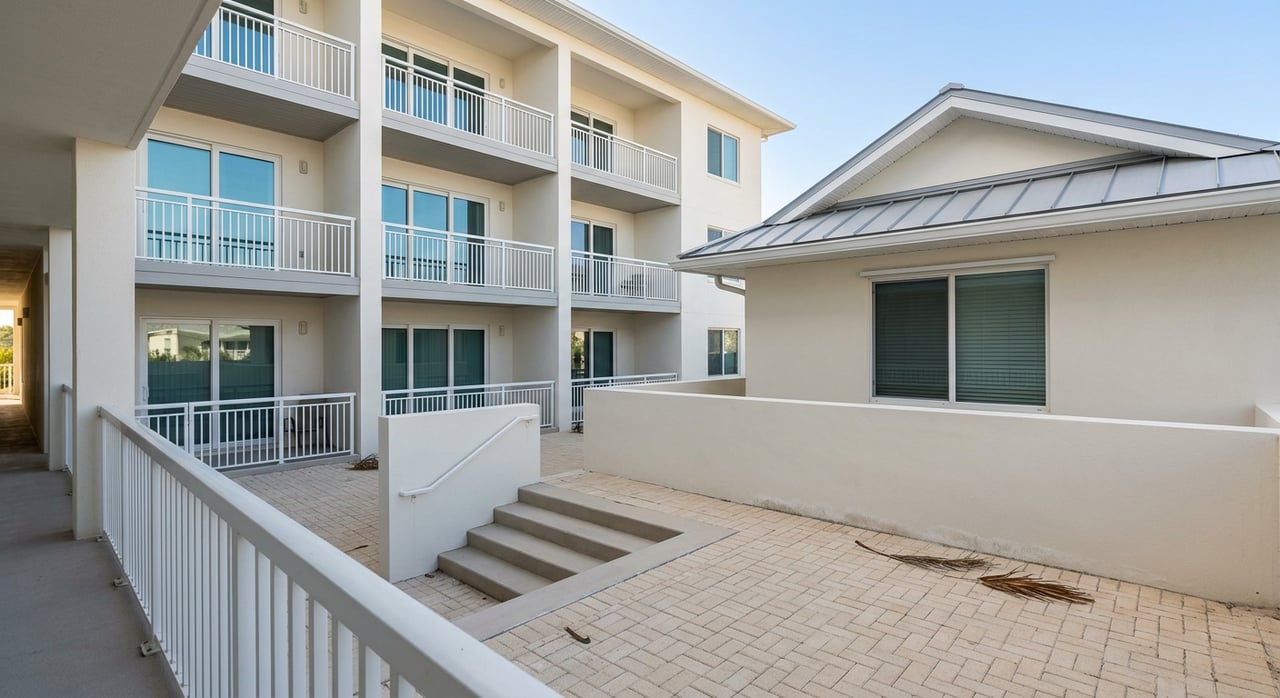
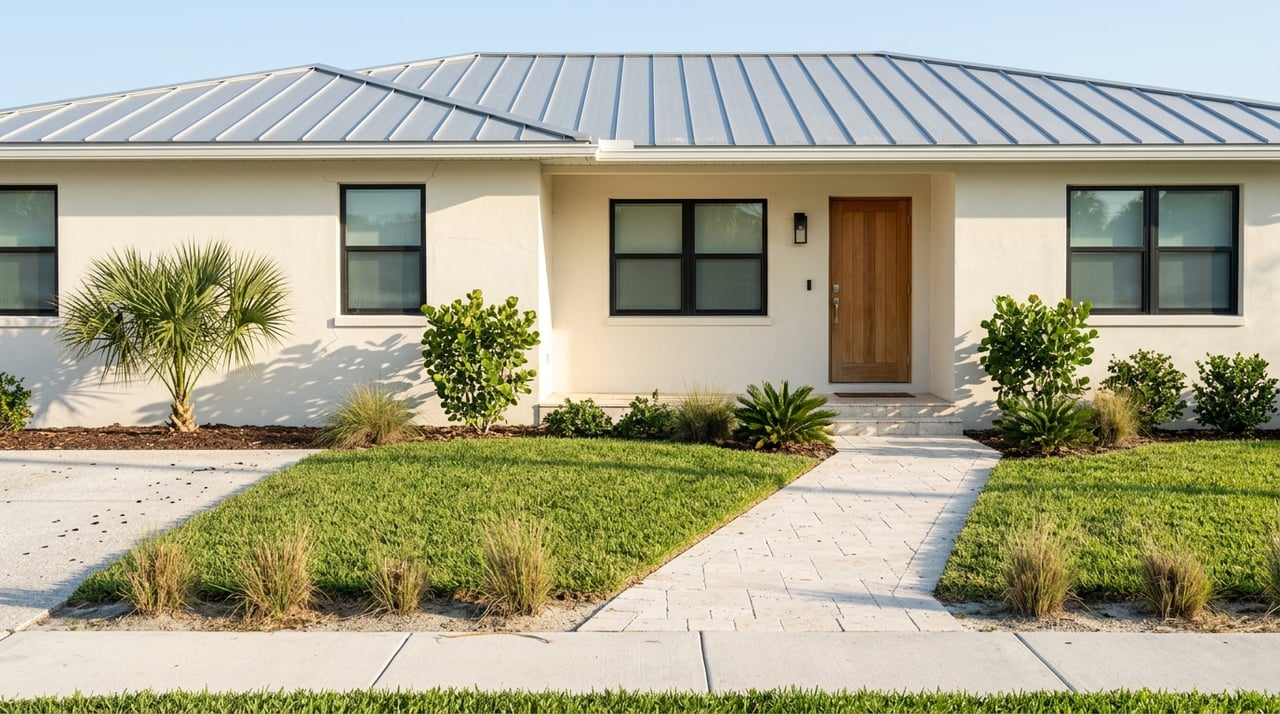
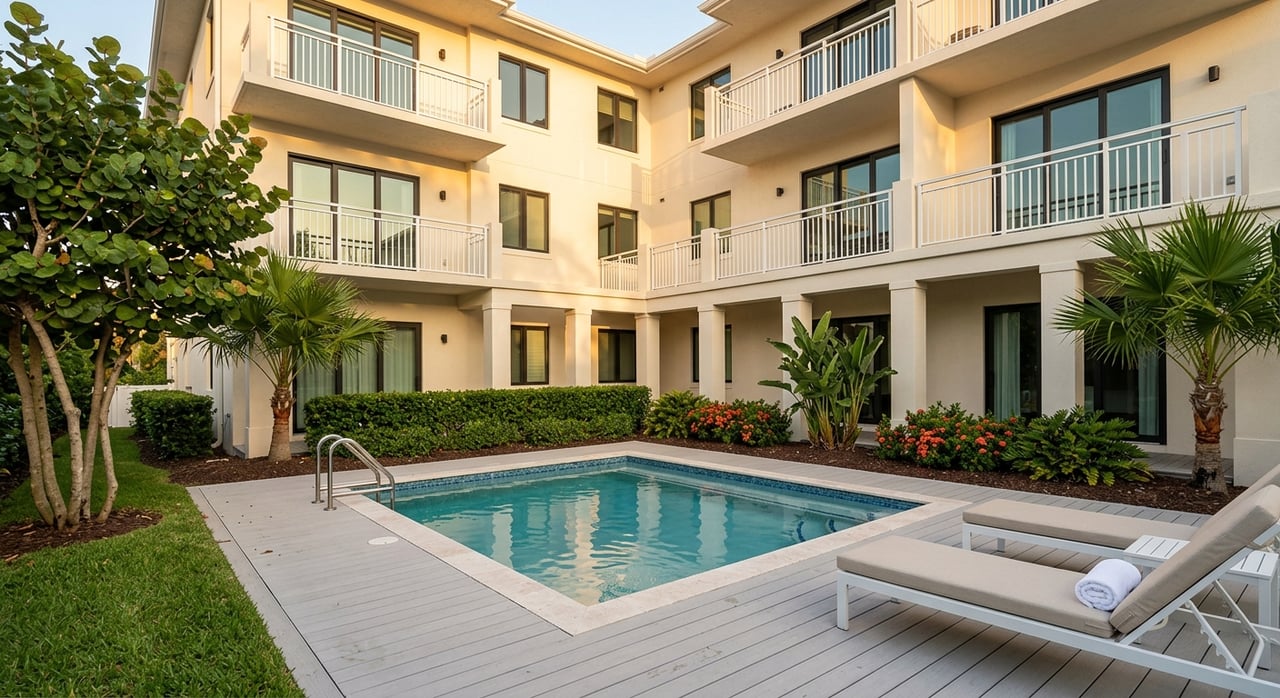
Feeling torn between a breezy condo by the ocean and a single‑family house with more space? You are not alone. In Satellite Beach, the sun and sea come with unique costs, rules and risks that shape what makes sense for you. In this guide, you will learn how monthly costs, flood zones, insurance, and Florida’s newer condo rules all factor into the decision. You will also get a simple decision framework and due‑diligence checklists you can use right away. Let’s dive in.
Start with the local picture
Satellite Beach is a small barrier‑island city on the Space Coast with a population around 11,300. You get a close‑knit, owner‑heavy feel and a strong coastal lifestyle, along with coastal‑specific costs that affect long‑term budgets and resale. You can confirm the latest population snapshot on the U.S. Census QuickFacts page for Satellite Beach.
Recent pricing snapshots from major portals show different numbers because they use different methods. Treat them as broad signals, not precise comps. Your best move is to set a firm budget with a lender pre‑approval, then evaluate property‑level comps from the local MLS.
What it really costs each month
Your monthly cost will include your mortgage, taxes, insurance and any association fees. In Satellite Beach, a few line items need special attention:
- Property taxes. Satellite Beach’s adopted operating millage for FY 2025–26 is 7.9 mills. Always pull the parcel’s current tax bill during due diligence. You can review the city’s adopted budget for context on rates and services.
- Insurance. Coastal properties often require wind and flood coverage. Condos rely on an association master policy, while you insure the interior (HO‑6) and contents. Houses require a full homeowner’s policy and, when applicable, flood insurance.
- HOA or condo fees. Many condos along the Space Coast carry monthly fees in the mid‑hundreds to several hundreds, and amenity‑rich or oceanfront buildings can run higher. Always review the current budget, reserve funding, and any planned assessments.
For a fair comparison, calculate an all‑in monthly number for each property you consider.
Storm, flood and shoreline realities
Living near the water is a gift, but risk management matters.
Flood zones and elevation
Many parcels in Satellite Beach lie in FEMA coastal flood zones. The City’s flood‑information page explains local considerations and directs you to mapping resources. During due diligence, check the parcel on FEMA’s map and request any available elevation certificate. Higher elevations and better drainage can improve insurability and reduce long‑term risk.
- Review the City’s flood guidance and resources on the Satellite Beach flood‑information page.
- Check the parcel on FEMA’s Map Service Center.
Sea‑level rise planning
Regional studies and federal tools show that barrier islands on the Space Coast are vulnerable to sea‑level rise over coming decades. Use NOAA’s Sea Level Rise Viewer to understand planning scenarios and think about access roads, utilities and future mitigation costs. Waterfront proximity boosts lifestyle benefits and can also increase price volatility and insurance sensitivity.
- Explore planning scenarios using NOAA’s Sea Level Rise Viewer.
Shoreline structures and seawalls
For waterfront homes and some condos, seawalls, bulkheads or dunes may require owner or association upkeep. Repair and permitting can be costly. Confirm who is responsible for maintenance and whether the structure complies with county and state requirements.
- Review Brevard County’s code section on bulkheads and shoreline stabilization.
The condo rules that matter now
Florida strengthened building‑safety laws for condos after the Surfside tragedy. Two items are critical if you are considering a condo, especially in older or 3‑plus‑story buildings:
- Milestone structural inspections. These inspections are required on a defined schedule for multi‑story residential buildings.
- Structural Integrity Reserve Studies (SIRS). Associations must plan and fund reserves for major structural items.
These rules affect budgets, special assessments and disclosures. Monthly fees can rise to fund repairs or reserves, and financing may be harder if issues are uncovered. Before you make an offer, request the most recent inspection summary and SIRS, plus the association’s plan to fund any required work.
- Read the current Florida statute and updates on the Florida Senate site.
Association insurance costs have also risen across parts of Florida since 2022. Higher master‑policy premiums can drive up monthly fees or force special assessments. Ask for current insurance declarations, limits and wind deductibles, and evaluate replacement‑cost assumptions.
- See industry reporting on rising association insurance premiums.
Financing differences to know
Condos and houses can both qualify for popular loan programs, but condos add a project‑level review that can affect your options and down payment.
- Warrantable condo status. Lenders use Fannie Mae and Freddie Mac rules to approve projects. Factors include owner‑occupancy levels, reserve funding, fee delinquencies, commercial use and litigation. Ask your lender to pre‑check the building in Fannie Mae’s Condo Project Manager.
- FHA and VA. FHA allows single‑unit approvals in some non‑approved projects, and VA has its own process. If you plan to use FHA or VA, confirm the project’s approval path early.
- Down payments. FHA can go as low as about 3.5% for qualified borrowers. VA may allow 0% down for eligible veterans. Conventional programs can start around 3% to 5% for well‑qualified buyers, but terms change if a condo is non‑warrantable or facing litigation or high assessments.
Helpful links:
- Fannie Mae’s Condo Project Manager overview.
- HUD’s condominium program page.
Condo vs house tradeoffs in Satellite Beach
Here is how the choice often plays out for local buyers.
Maintenance and lifestyle
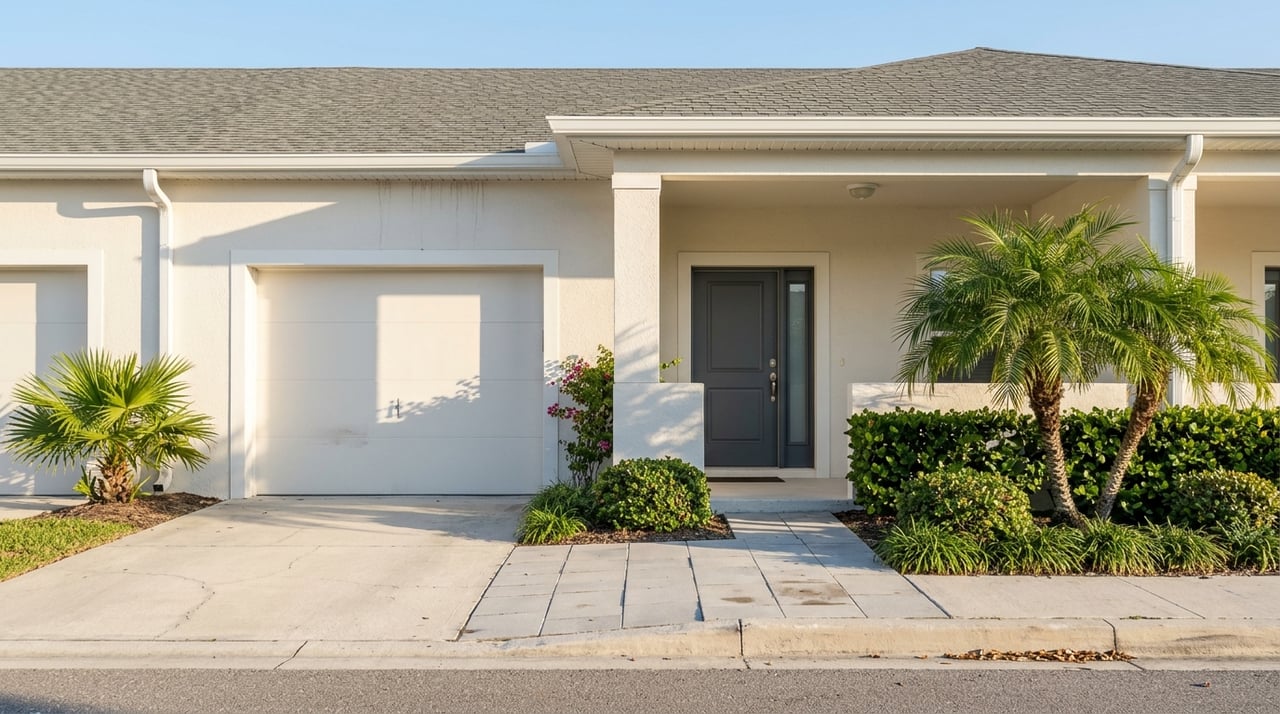
- Condo. Exterior, roof, landscaping and amenities are handled by the association, which is great for a lock‑and‑leave lifestyle. You pay monthly fees and follow association rules.
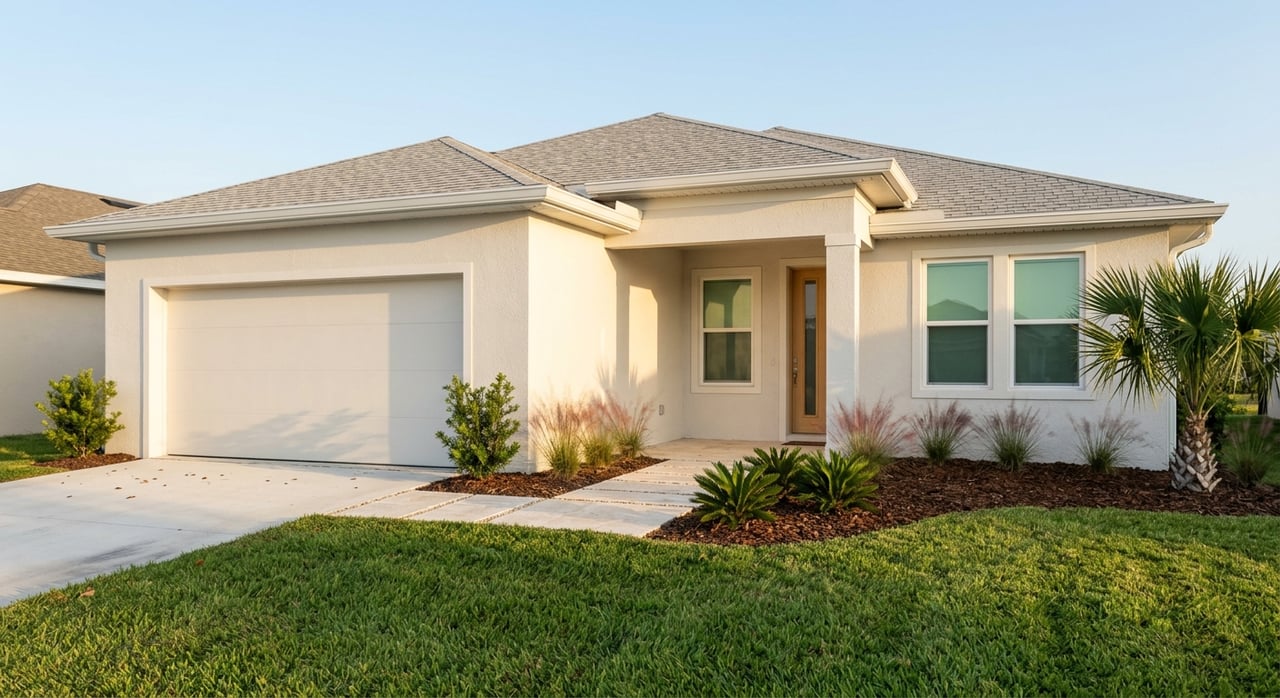
- House. You get more control, privacy and outdoor space. You carry the full load on roof, yard and systems. Waterfront houses may also require seawall or dune upkeep.
Financial volatility and resale
- Condo. More sensitive to association budgets, special assessments, inspection findings and master‑policy insurance changes. Financing can be slower if a building is non‑warrantable or has material defects.
- House. Exposure is tied to flood risk, elevation, roof and seawall condition, and insurance costs. You avoid association assessments but carry full replacement cost.
Financing and buyer pool
- Condo. Warrantable status expands your buyer pool and helps resale. Non‑warrantable or litigated projects can narrow options and raise down‑payment needs.
- House. Underwriting is usually simpler. Property‑level insurability and elevation still matter.
Rental potential
Short‑term rental rules vary by city and by association across Brevard. Do not assume a condo or house can be rented short‑term until you confirm both city code and the HOA or condo declarations for that specific property.
A simple six‑step decision framework
Use this to test what fits your life and budget.
- Define non‑negotiables. Yard and garage, pets and privacy, or easy upkeep and amenities.
- Set your all‑in monthly cap. Include mortgage, taxes, insurance and HOA or maintenance. Keep this number firm.
- Check financing early. Get pre‑approved and have your lender pre‑check condo project eligibility if you are leaning condo.
- Verify insurance and elevation. Request association master‑policy details and a unit HO‑6 quote for condos. For houses, get homeowner and flood quotes. Use FEMA and City tools to confirm flood zones and elevations.
- Read association documents. For condos, review the declaration, bylaws, current budget, reserve study, SIRS or milestone summaries, meeting minutes, insurance binder and any assessments. Ask about litigation.
- Walk the property. Look at roof, exterior envelope, drainage, seawall or dune, and key systems. Ask about planned capital projects or upcoming special assessments.
Helpful resources:
- Satellite Beach flood‑information page.
- FEMA Map Service Center.
Due‑diligence checklists
If you are buying a condo
- Current budget, insurance declarations and recommended HO‑6 coverage levels.
- Most recent reserve study and SIRS, plus any milestone inspection summary and repair estimates. Confirm required disclosures and timelines under Florida law.
- Meeting minutes for the last 12 months, any planned or pending assessments, and the percentage of units delinquent on fees.
- Any association litigation details and an estoppel letter showing the seller’s account status.
- Proof of compliance for structural and flood‑related permits, including shared seawall or bulkhead protections.
- Lender pre‑check of project eligibility using Fannie Mae or HUD pathways.
Quick links:
- Florida statute on condo safety and reserves.
- Association insurance market context in Florida.
- Fannie Mae’s Condo Project Manager.
- HUD’s condominium guidance.
If you are buying a single‑family house
- FEMA flood zone for the parcel and any elevation certificate. Confirm lender flood‑insurance requirements.
- Seawall or bulkhead condition, permit history and repair estimates if older. Confirm dune responsibilities and setbacks.
- Roof age, HVAC age, plumbing and electrical condition. Ask about salt‑air exposure and corrosion.
- Review local evacuation routes and plan for access during storm season.
Quick links:
- FEMA Map Service Center.
- Brevard County code for shoreline structures.
- Satellite Beach flood‑information page.
Which option fits common goals
- Low‑maintenance coastal living. A well‑run condo with updated reserve studies and stable insurance can be a strong fit. Focus on buildings with transparent budgets and no looming assessments.
- More space and long‑term flexibility. A single‑family house often makes sense if you want yard space, garage storage and more control over improvements. Budget for roof, systems and flood coverage.
- Considering rentals. Confirm both city rules and association rules for the exact property. Many coastal communities and associations use minimum lease periods or registration. Plan your numbers for seasonal or long‑term leases if short‑term rentals are restricted.
The bottom line
Choosing between a condo and a house in Satellite Beach comes down to lifestyle, risk tolerance and total monthly cost. Condos offer convenience and amenities. Houses offer privacy and control. Both require smart due diligence on flood zones, insurance and, for condos, building safety and reserves. If you want a local, step‑by‑step plan tailored to your goals, reach out to a team that knows the Space Coast and the details behind each building and block. Connect with Ray G and The SunSpot Team for clear advice, a clean comparison of your top options, and confident next steps.
Ready to weigh your options with a local pro? Talk with Ray Giamporcaro and get a focused plan for your budget, lifestyle and timeline.
FAQs
What are typical condo HOA fees in Satellite Beach?
- Many buildings run in the mid‑hundreds to several hundreds per month, with higher fees in oceanfront or amenity‑rich properties, so always verify the current budget and any planned assessments.
How do Florida’s condo safety laws affect buyers?
- Milestone inspections and SIRS can increase reserves and assessments, so review those reports, the association’s funding plan and disclosures before you waive contingencies.
How do I know if a condo is warrantable for a mortgage?
- Ask your lender to check the building in Fannie Mae’s Condo Project Manager and review occupancy, reserves, delinquencies, litigation and insurance to confirm eligibility.
Do houses in Satellite Beach usually need flood insurance?
- Many parcels are in coastal flood zones, so check the FEMA map and any elevation certificate; lenders typically require flood insurance if the home lies in a mandatory flood zone.
Can I use a condo or house for short‑term rentals in Satellite Beach?
- Rules vary by municipality and by association, so confirm both the city code and the HOA or condo declarations for the specific property before assuming any short‑term rental income.