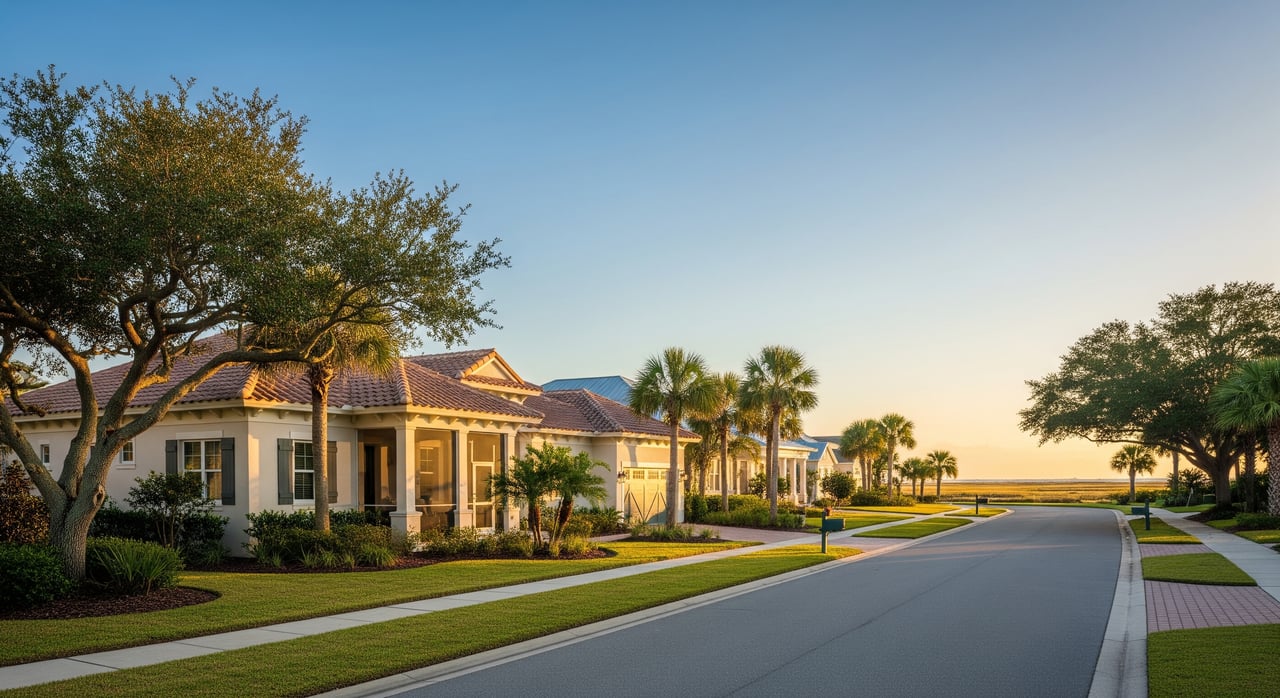
How to Choose the Best Port Orange Family Neighborhood
February 5, 2026
February 5, 2026
Choosing the right neighborhood can feel like a big leap, especially when you are balancing schools, commute, parks, flood exposure, and the look and feel of the homes. If you are moving to Port Orange, you want a spot that fits your routine today and supports resale down the road. This guide gives you a simple way to compare areas side by side, plus local tips and tools to help you make a confident choice. Let’s dive in.
Begin by listing your top three non-negotiables. Examples include an assigned elementary school you prefer, a commute under a set time, or avoiding high-risk flood zones. Add a few nice-to-haves like access to parks or specific HOA amenities. This gives you a filter before you look at houses.
Be clear on your budget and home type too. Decide if you want a single-family home, townhome, or patio home, and whether an HOA fits your lifestyle. Finally, note any timing needs like a specific move-in date so you can weigh new construction vs resale.
If schools are on your list, verify assignment by address. Start with the district website for zoning and programs. Use the Volusia County School District to look up school boundaries and understand choice or magnet options.
Next, review neutral data. The Florida Department of Education school grades give performance snapshots you can compare across schools. Look at multi-year trends and attendance to get context. If you are considering private or charter options, confirm application windows and transportation.
Finally, test logistics. Map the morning drive from candidate neighborhoods to school, daycare, and work during peak times. A short, predictable route can make weekday routines easier.
Your weekday loop matters as much as the house. Use mapping apps to test drive times to your main worksite, pediatrician, grocery stores, and activities during typical rush periods. Run the same test for school drop-off and pick-up windows.
If you plan to reach Daytona Beach, central Volusia, I-95, or the I-4 corridor regularly, compare neighborhoods by access to those routes. Note how traffic on Dunlawton Avenue or Taylor Road affects your timing. Save your tests so you can compare areas consistently.
Port Orange offers a network of community parks, playgrounds, sports fields, and trails that families love. Use the City of Port Orange Parks and Recreation listings to find parks within 1 to 2 miles of any address.
If an HOA community is on your radar, check for on-site amenities like pools, sidewalks, fitness centers, and playgrounds. Also consider how close you want to be to the Halifax River or beach access points. A quick map check can confirm sidewalks, crosswalks, and safe routes to play areas.
Flood exposure varies block by block in coastal Florida. Always look up the official FEMA flood zone for a specific property. Use the FEMA Flood Map Service Center to view the DFIRM panel for the address and note the flood zone designation.
Then add local layers. The Volusia County GIS map viewer includes flood and elevation overlays that help you compare areas. For homes in A, AE, or VE zones, ask for an elevation certificate and get a property-level insurance estimate through the National Flood Insurance Program or a qualified private insurer. Understanding true risk and cost before you bid can save you from surprises later.
Port Orange has a mix of older neighborhoods, golf and amenity communities, and newer subdivisions. As you compare areas, note the dominant home style, median construction era, and typical lot size. These details influence maintenance, yard care, and resale appeal.
If you prefer structure and amenities, an HOA may be a good fit. Review covenants, fees, maintenance responsibilities, and amenities. If you want more flexibility for projects or parking, a non-HOA area may work better. In all cases, confirm whether age-restricted rules apply if that is a factor for your household.
Use neutral, data-based sources to understand local trends. Start with the Port Orange Police Department for resources and updates. For wider context, review county-level data from the Florida Department of Law Enforcement.
When you tour, observe lighting, sidewalks, crosswalks, and traffic speeds on the streets you would use daily. Talk with your agent about neighborhood associations and community activities that make it easier to connect with neighbors.
Below are common neighborhood types buyers often compare in Port Orange. Use them as a starting point, then verify details at the address level.
You will find established subdivisions and the unique Spruce Creek fly-in community nearby. Many buyers appreciate the country club setting and recreation options. Confirm school assignment with the district, review HOA or club membership details, and check flood exposure near creeks and low-lying areas at the lot level.
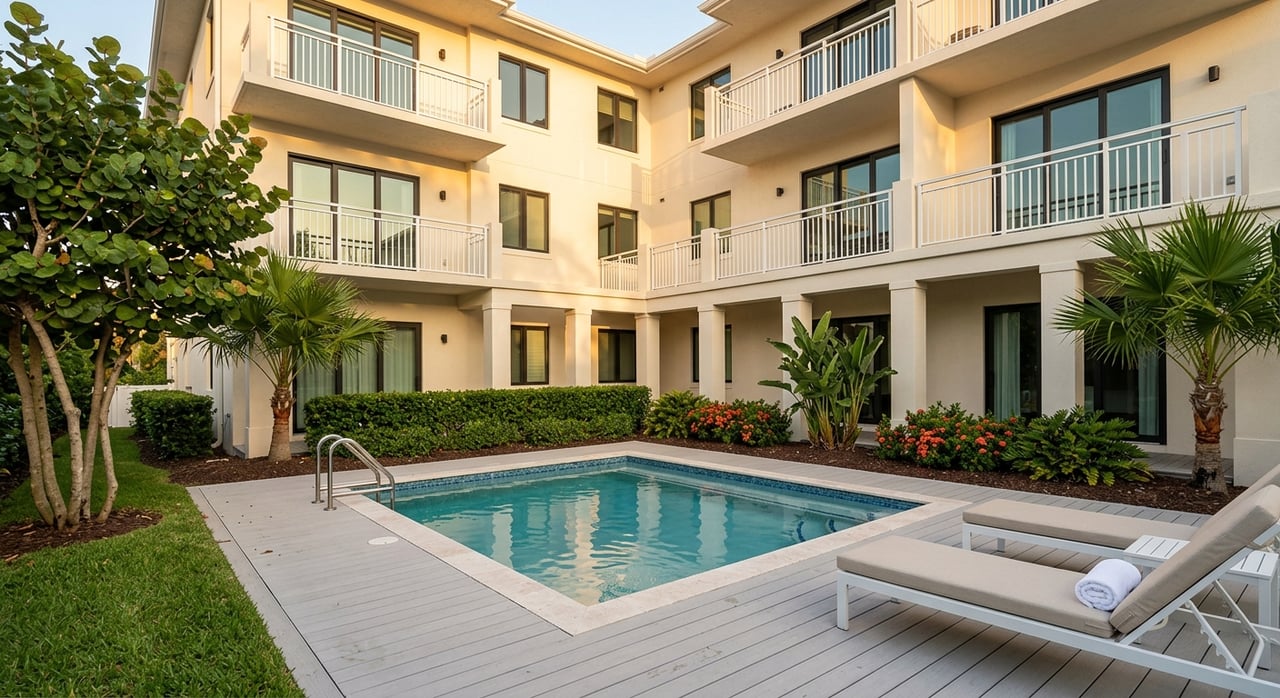
Planned developments here often include golf, pools, sidewalks, and community spaces. These neighborhoods can suit active households that value on-site amenities. Compare HOA fees and maintenance coverage, and ask whether facilities are private or have public access.
This corridor offers a mix of older and newer housing with quick access to shopping and major routes. If convenience to retail and commute links is a priority, this area is worth a look. Evaluate street-by-street walkability, traffic patterns, and noise, then test peak-hour drive times.
Along the Halifax River and Spruce Creek you will see homes with water access and scenic views. Waterfront lots are limited, and site-specific flood and seawall conditions matter. Expect to order elevation certificates and review insurance requirements early in the process.
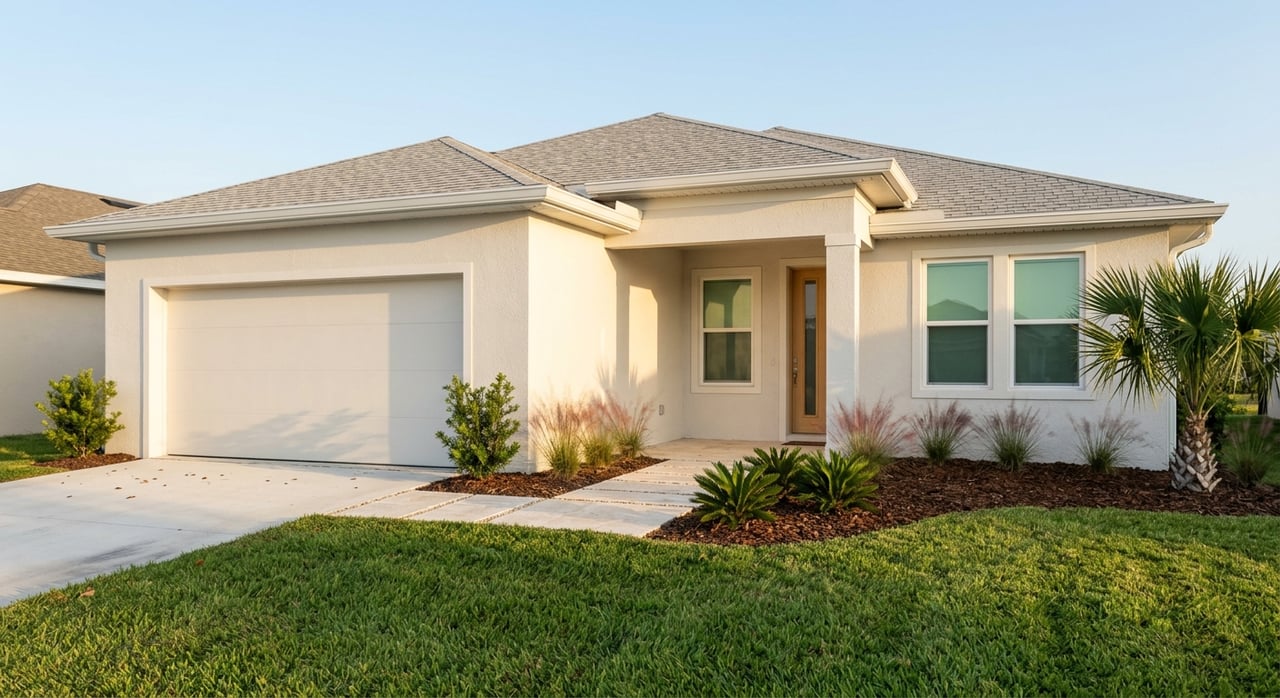
Recent builds offer modern floor plans, energy-efficient features, and builders’ warranties. Families often like the predictability of newer systems and community playgrounds. If timing is tight, confirm builder completion schedules and review warranty coverage.
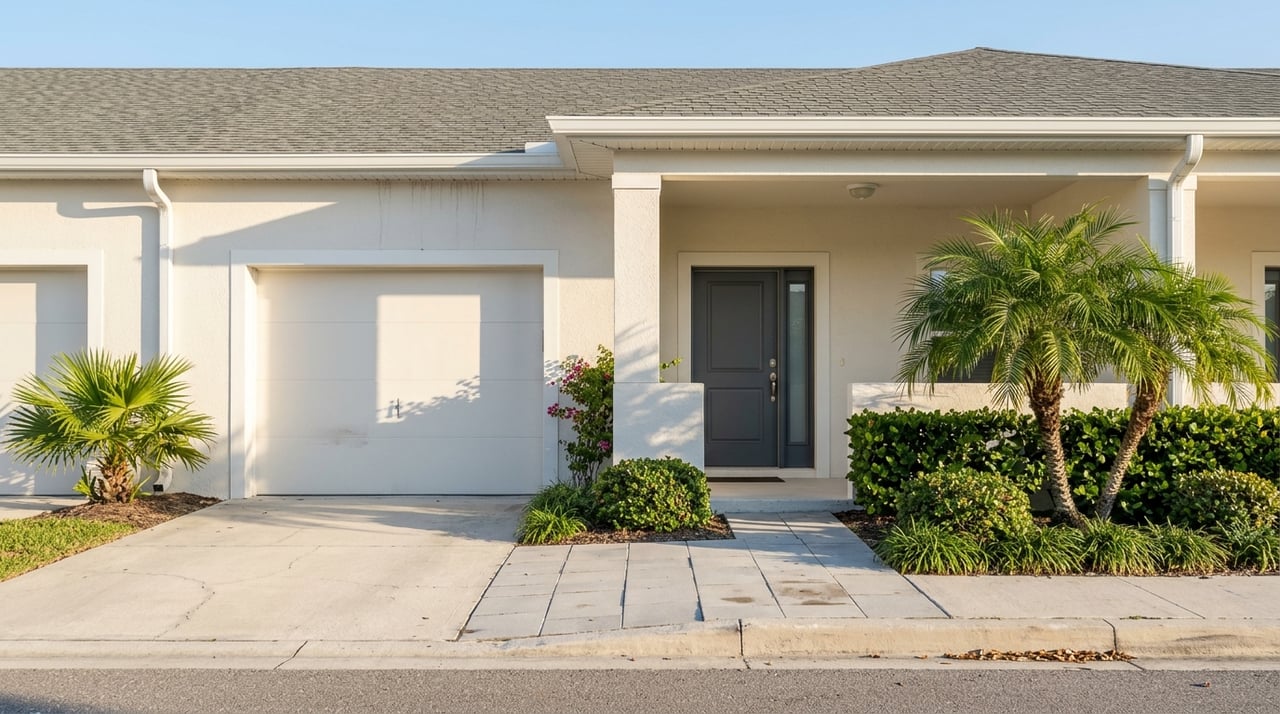
Smaller lots or older homes can create value for first-time buyers. Plan for updates and compare long-term maintenance across options. Review assigned schools, confirm flood risk, and weigh appreciation potential with current sales data.
Create a one-page summary for each candidate neighborhood or address. Use the same categories so your comparisons are apples to apples:
Map your findings. Color-code for commute time, flood risk, and park access so patterns stand out quickly.
Before you submit a bid, take these steps for the specific property:
Print this and bring it to your next tour:
You do not have to figure this out alone. A local, high-touch team can help you filter options based on your priorities, pull MLS-level data, verify school boundaries and flood zones, and coordinate insurance quotes before you bid. If you want a neighborhood game plan tailored to your family, reach out to Ray Giamporcaro and The SunSpot Team for friendly, detailed guidance.
Stay up to date on the latest real estate trends.
Get assistance in determining current property value, crafting a competitive offer, writing and negotiating a contract, and much more. Contact Ray today to discuss all your real estate needs!