
How to Sell a Waterfront Home in Melbourne Beach
April 16, 2026
April 16, 2026
Selling a waterfront home in Melbourne Beach can feel like a big opportunity and a big responsibility at the same time. Buyers are drawn to the water, but in today’s market they are also paying close attention to condition, paperwork, insurance details, and pricing. If you want your home to stand out and move with fewer surprises, it helps to prepare for both the emotional appeal and the practical questions buyers will bring. Let’s dive in.
Waterfront homes already have a built-in advantage, but that does not mean they sell themselves. In Realtor.com’s February 2026 Melbourne Beach market snapshot, the town is described as a buyer’s market, with 236 homes for sale, a median listing price of $749,000, and a median 67 days on market.
That matters because buyers have options. They can compare your property against other waterfront and non-waterfront homes, so presentation, maintenance, and pricing discipline all play a major role in how quickly your home gets attention.
Before you paint, stage, or schedule photos, gather your documents. For a waterfront home in Melbourne Beach, buyers often want answers about the dock, seawall, lift, shoreline work, and any other marine improvements early in the process.
According to Brevard County’s residential marine construction guidance, permit files may involve surveys, affidavits, and dimensions for existing or proposed marine structures. If you have completed work on a dock, seawall, or boat lift, it is smart to have permit records, surveys, and final approvals organized before your listing goes live.
If your property is oceanfront, coastal construction rules may also come into play. The Florida Department of Environmental Protection’s Coastal Construction Control Line tools can help confirm whether a property or project is seaward of the line, which makes past repair and improvement records especially important.
With a waterfront home, the exterior is more than curb appeal. Buyers often see it as part of the inspection picture. If paint is peeling, hardware is rusting, or the dock looks neglected, buyers may assume there are larger maintenance issues behind the scenes.
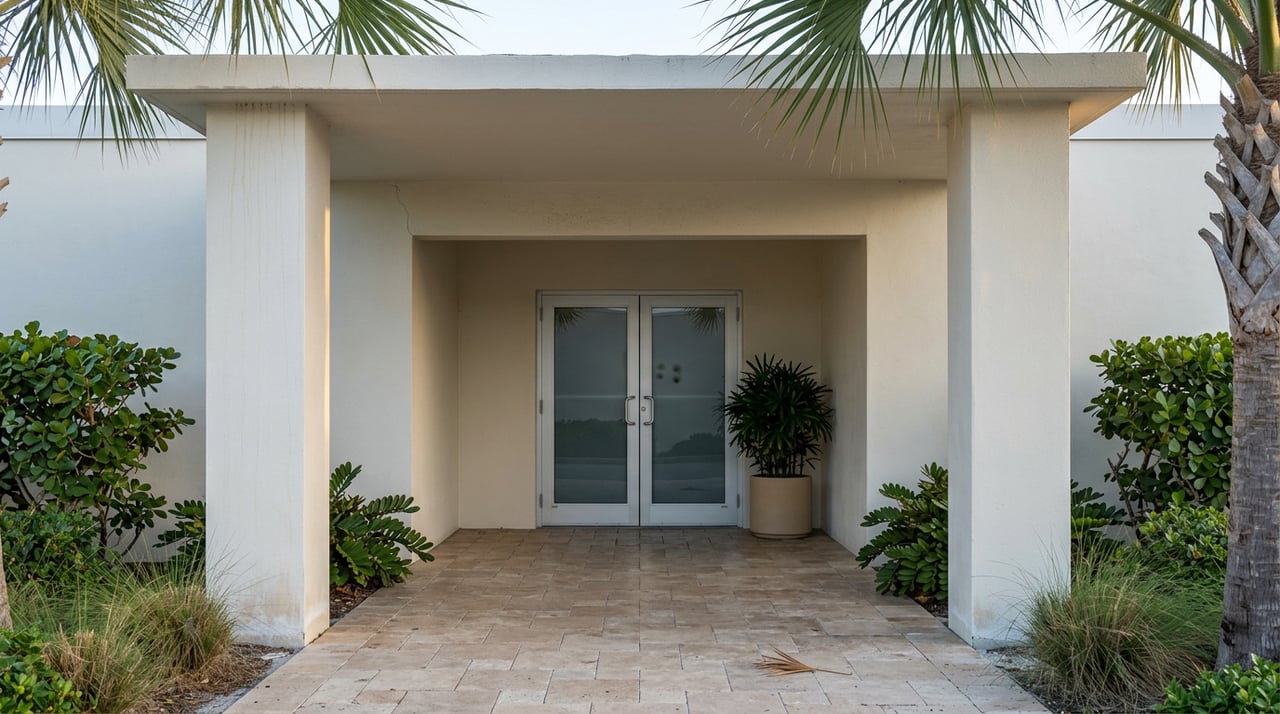
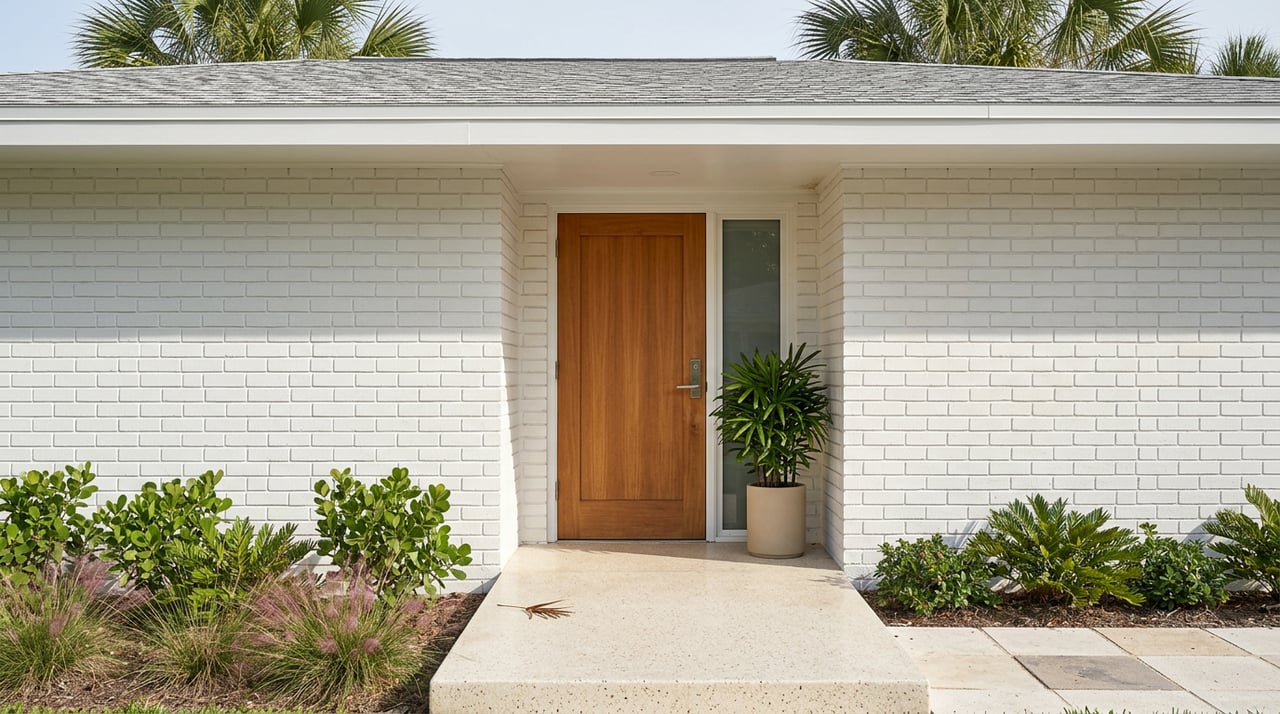
Walk the property like a buyer would. Look at the driveway, entry, siding, windows, railings, dock surfaces, seawall condition, and outdoor lighting. Tackle the visible items that make the home feel cared for and safe.
You do not need to over-improve everything. Focus on repairs that make the property look clean, functional, and well documented, especially in spots exposed to salt air, wind, and moisture.
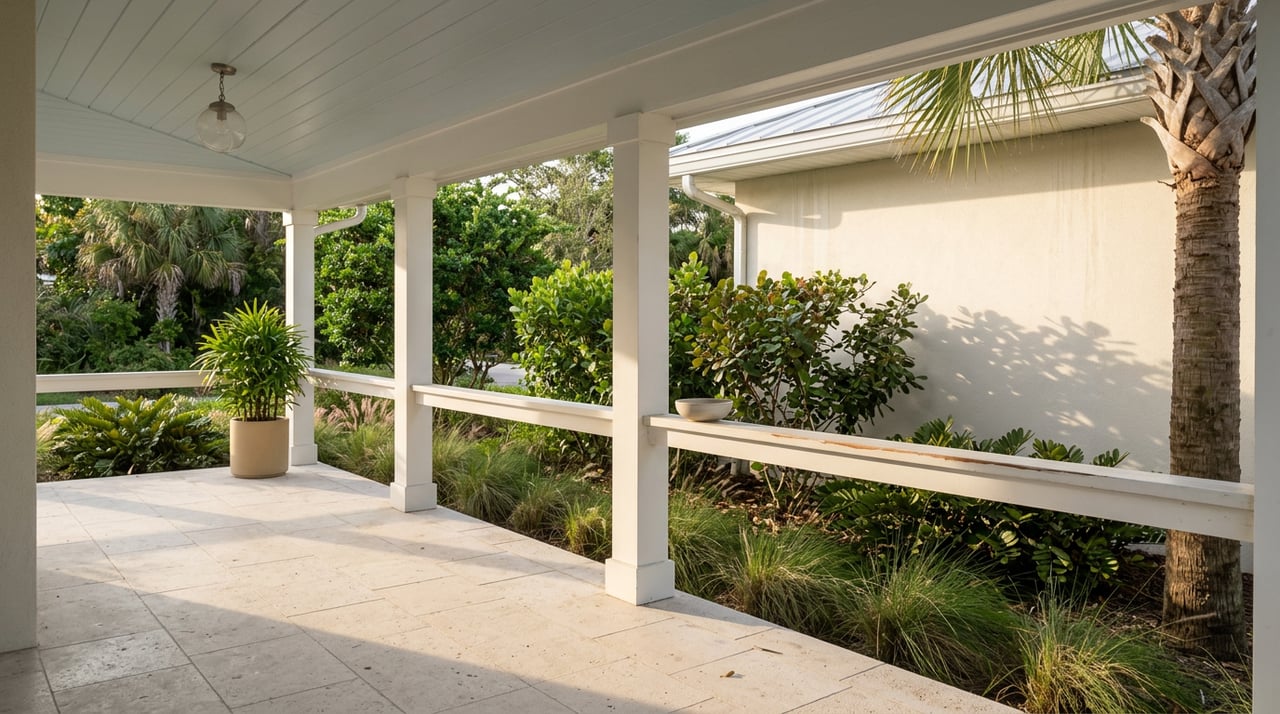
On riverfront and lagoon-side properties, the yard is part of the waterfront story. A messy shoreline or overgrown planting bed can distract from the view and raise questions about drainage and upkeep.
The Town of Melbourne Beach stormwater and swale program encourages native, adaptive, or non-invasive plantings and notes a fertilizer ban from June 1 through September 30. The town also prohibits blowing grass clippings into streets or storm drains year-round.
That means a neat, low-runoff landscape is not just attractive. It is also more aligned with local standards. As you prep your home, trim overgrowth, remove debris, define planting areas, and keep the shoreline visually clean without creating runoff issues.
When buyers shop online, your photos usually make the first impression. The National Association of Realtors reports that 81% of buyers said listing photos were the most useful feature during an online search. That is a big reason waterfront homes need to be staged with the camera in mind.
The goal is simple: help buyers see the water, the light, and how the home lives day to day. In a waterfront property, clutter can compete with your best feature. Good staging should guide the eye toward the view, not away from it.
NAR also found that the rooms most commonly staged include the living room, primary bedroom, dining room, and kitchen. Its 2025 staging report also highlights the importance of outdoor and yard spaces, which is especially relevant in Melbourne Beach.
Arrange furniture to open the room and frame the windows or sliders. Remove extra décor, bulky pieces, and anything that interrupts the sightline to the water.
Keep counters clear except for a few simple accents. Buyers should notice the flow to outdoor areas and the view beyond, not small appliances or crowded surfaces.
Keep bedding crisp and neutral. If the room has a view, make sure the windows are spotless and window treatments are simple enough to let in natural light.
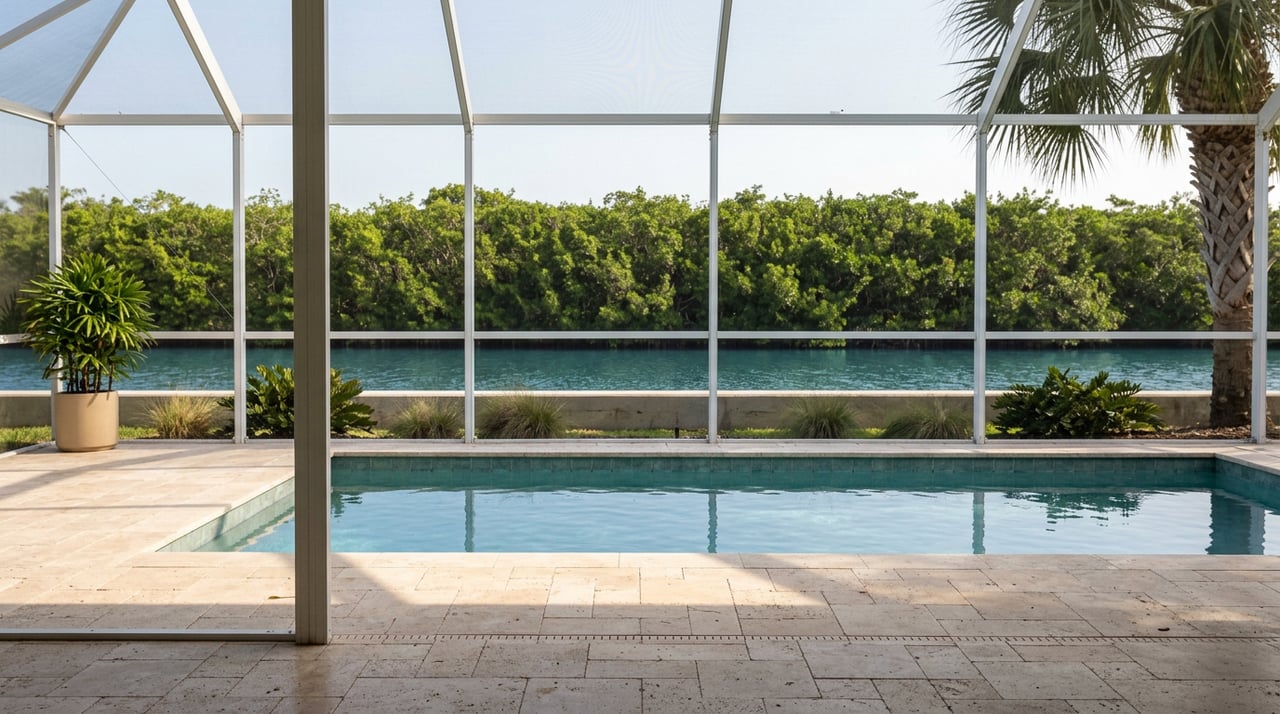
Stage patios, lanais, balconies, and decks as usable spaces. A clean seating area or dining setup can help buyers picture morning coffee, sunset dinners, or relaxed waterfront living.
This sounds basic, but it matters more in a waterfront home than in many other properties. Dirty windows, haze from salt air, and cluttered glass doors can dull the effect of a beautiful setting.
Clean all exterior and interior glass before photos and showings. If you have heavy window coverings, consider simplifying them so the water and natural light can do more of the work.
In Brevard County, flood risk is part of the conversation. The county notes that flooding can come from heavy rainfall, tidal surge, coastal storms, tropical systems, hurricanes, the Atlantic Ocean, and the Indian River Lagoon system. It also explains that most standard homeowners policies do not cover flood losses.
Because of that, buyers may ask detailed questions before they make an offer. If you can provide helpful records early, you can reduce delays during due diligence and insurance quoting.
Brevard County’s floodplain office also serves as the official repository for FEMA flood insurance rate map panels and says elevation certificates for structures in special flood hazard areas can be obtained there. Having those items ready can save time and make your listing feel more transparent and organized.
Wind mitigation can matter to buyers too. The Florida Department of Financial Services explains that premium discounts may relate to features like roof covering, opening protection, roof-to-wall connections, and secondary water resistance. If you have recent inspection documentation for those features, keep it ready.
Waterfront buyers tend to ask direct questions, and that is a good thing. If there are known concerns involving flooding, drainage, corrosion, seawall issues, dock repairs, or permit gaps, it is better to address them upfront than let them surface late in negotiations.
The Florida Bar’s summary of Johnson v. Davis explains that a seller must disclose facts materially affecting the value of a home if those facts are not readily observable and are not known to the buyer. In practical terms, honesty and preparation can help protect your transaction and build buyer confidence.
If possible, finish repairs, inspections, insurance prep, and media before hurricane season. Brevard County recognizes hurricane season as June 1 through November 30, and that timing can affect both property prep and closing logistics.
Florida’s Department of Financial Services also notes that when a hurricane or tropical storm watch or warning is issued for part of Florida, many insurers stop binding new or additional coverage until after the event window passes. You can review that guidance on the department’s insurance and storm-related information page.
That is why early preparation matters. Waiting too long can create avoidable delays for buyers who need quotes, binders, or updated coverage before closing.
A waterfront home in Melbourne Beach deserves more than a few standard listing photos. The best marketing plan should show the setting, the shoreline, the indoor-outdoor flow, and the details buyers care about online.
NAR’s research supports a media-first approach, noting that photos, videos, virtual tours, and staging all influence how buyers respond to a home. For a waterfront listing, professional photography, aerial coverage, and video can help communicate what makes the property special before a buyer ever schedules a showing.
Even a great waterfront location does not eliminate the need for smart pricing. In a buyer’s market, overpricing can make buyers pause, especially if they know they may also be budgeting for insurance, maintenance, or future improvements.
That is why pricing should reflect current local competition, days on market, and the condition of your home compared with similar listings. A well-prepared home that is priced with discipline is more likely to generate serious interest than one that simply relies on the waterfront label.
If you want to keep the process manageable, follow this order:
Selling a waterfront home in Melbourne Beach is about more than showing off the water. It is about presenting a property that looks cared for, answers buyer questions clearly, and hits the market with the right strategy from day one. If you want expert help preparing, pricing, and marketing your waterfront property on the Space Coast, connect with Ray Giamporcaro for a thoughtful, high-touch plan built around your home.
Stay up to date on the latest real estate trends.

Get assistance in determining current property value, crafting a competitive offer, writing and negotiating a contract, and much more. Contact Ray today to discuss all your real estate needs!