Florida Condo Milestone Inspections for Satellite Beach Buyers
December 4, 2025
December 4, 2025
Thinking about a condo near the sand in Satellite Beach but worried about those milestone inspections you keep hearing about? You’re not alone. Buying a condo on the coast comes with unique questions about building safety, reserves, and possible special assessments. The good news is you can protect yourself by knowing which documents to ask for and how to read them. In this guide, you’ll learn what a milestone inspection is, why it matters in Brevard County, and how to use the findings to shape a smart offer. Let’s dive in.
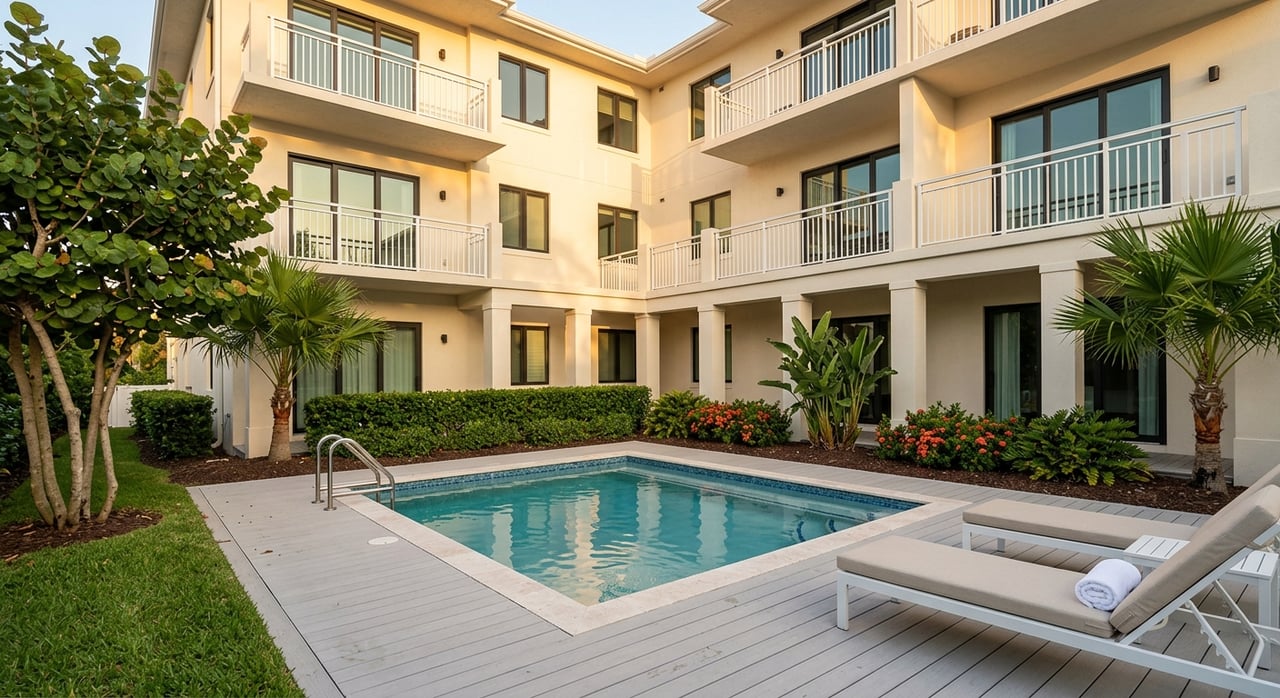
A milestone inspection is a formal structural and engineering review of a condominium building. It looks at major structural elements, the building envelope, waterproofing, and life-safety systems. It goes beyond a typical home inspection and is performed by licensed structural engineers or similarly qualified professionals.
Florida updated its condominium rules after 2021 to strengthen building safety and reserve funding. Under Chapter 718 of the Florida Statutes, many multi-story condo buildings must complete milestone or recertification inspections at defined ages, with follow-ups at set intervals. The commonly discussed pattern is earlier inspections for coastal buildings and later thresholds for inland properties, followed by re-inspections about every 10 years. Confirm the current timelines for your specific building.
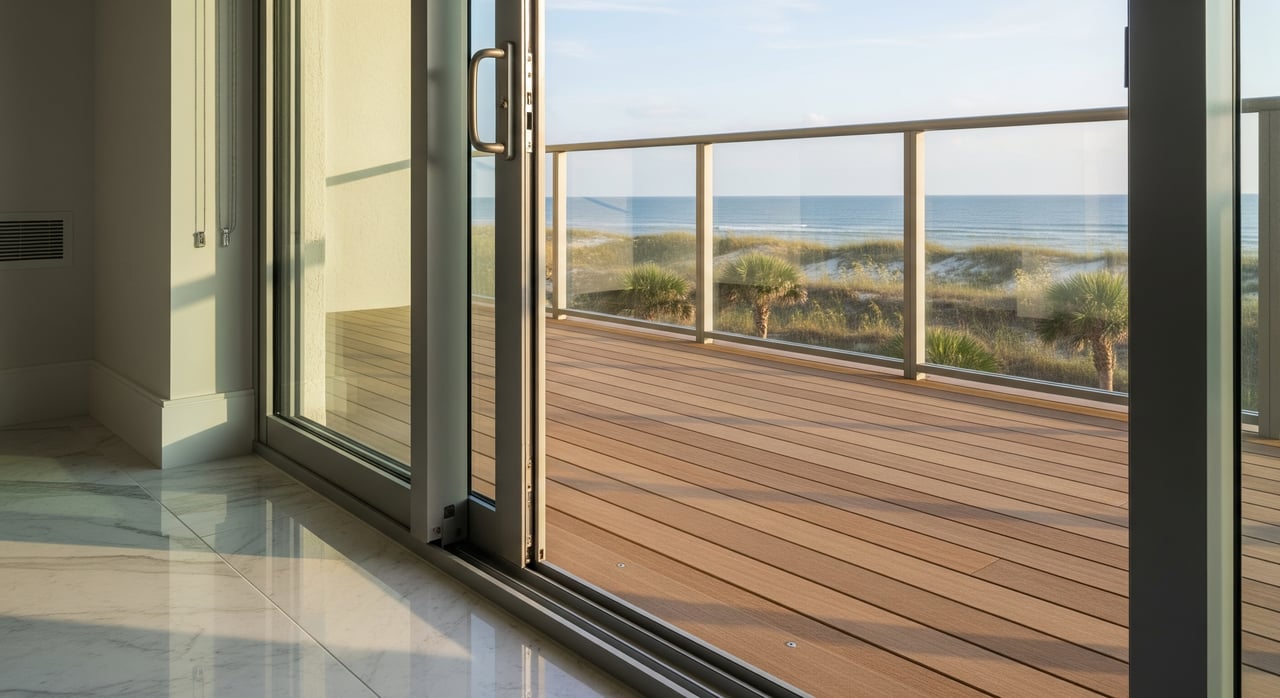
You live by the sea for the lifestyle, but the salt air works hard on buildings. In Satellite Beach, salt, humidity, and wind can speed up corrosion and wear. That can affect concrete, balconies, railings, waterproofing, and mechanical systems.
Common coastal concerns include concrete spalling from corroded rebar, balcony and railing deterioration, parking garage waterproofing failures, roof membrane issues, stucco cracking, and corrosion of electrical or elevator components. Add hurricane season and flood exposure, and you have real reasons to pay attention to inspection results and reserve funding.
Local records also matter. Brevard County and the City of Satellite Beach maintain permit histories that show major repairs, reroofs, concrete restoration projects, and contractor work. Reviewing those can help you understand what has already been addressed and what might be due next.
A reserve account is the association’s savings plan for big-ticket repairs like roofs, painting, paving, structural work, and elevators. A reserve study documents the components, estimated useful life, replacement costs, and a recommended funding plan.
As a buyer, you want to know two things: how much is in reserves today and how that compares to the recommended fully funded level. If reserves are significantly below the study’s recommendation, there is a higher chance of future special assessments or fee increases.
Ask your agent to request these immediately after you go under contract. Build in time to review before you remove contingencies.
Focus on the sections that list scope, priority, and cost estimates. If the engineer identifies immediate or urgent structural repairs, that is material to your decision. Note any follow-up requirements, timelines, or recommendations to develop construction-level estimates.
Compare the current reserve balance to the study’s recommended fully funded number and annual contributions. Express this as a percentage, for example, reserves at 20 percent of recommended. Low funding levels raise the risk of special assessments.
Look for discussions of repair approvals, reserve waivers, and notices of special assessments. A pattern of waiving reserves or frequent assessments in a short period is a red flag. Financials should also show trends in insurance costs and capital projects.
Check for high hurricane or wind deductibles and whether flood coverage is carried. Large deductibles shift more cost to owners if a storm hits. That can affect your risk, your lender’s appetite, and the association’s budget planning.
Milestone findings shape price, timing, and deal protections. Use contingencies and clear timelines so you can review documents and make informed choices.
Lenders may apply additional condo project requirements. Buildings with major repairs pending or low reserves can affect loan eligibility or pricing. Insurance costs and deductibles factor into your total monthly outlay and sometimes underwriting. Share all association documents with your lender early.
If the milestone report triggers repairs, the association may use reserves, levy a special assessment, or borrow. Confirm whether funds are already set aside or if a vote is pending. If reserves have been waived or partially funded in recent years, expect a higher likelihood of future assessments.
Get documents early. As soon as your offer is accepted, request the association packet, milestone report, reserve study, minutes, and insurance details.
Have a coastal-experienced engineer review the report. Ask for a plain-language summary of priority items and potential cost ranges. If needed, schedule a site-specific inspection.
Run the numbers. Compare reserves to the recommended fully funded level. Review the budget and financials for trends in dues, insurance, and capital projects.
Clarify special assessments. Ask whether assessments are pending, how they will be allocated, and who is responsible if one is approved before closing.
Set clear contingencies. Use document review, structural, and special assessment contingencies to protect your deposit while you evaluate risk.
Coordinate with your lender. Provide all association documents upfront so underwriting can flag any project-eligibility issues early.
Salt air accelerates corrosion, so balconies, railings, and concrete elements often need attention sooner than inland buildings. Storm seasons and flood zones influence insurance costs and deductibles, which associations build into budgets. Reviewing permit histories in Brevard County and the City of Satellite Beach can show whether concrete restoration, reroofing, or waterproofing projects were permitted and inspected. Those records help you understand what has been maintained and what might be on the horizon.
A solid milestone inspection and well-funded reserves are signs of a healthy building. If reports flag urgent work, that does not automatically mean you should walk away. It means you should dig in, ask for documentation, clarify funding, and structure your offer accordingly. With the right due diligence and a local team by your side, you can enjoy the sun and sea with more peace of mind.
If you want a local guide to help you request the right documents, interpret what they mean, and set smart contingencies, reach out to Ray Giamporcaro. We help Satellite Beach buyers make clear, confident choices.
Stay up to date on the latest real estate trends.



Get assistance in determining current property value, crafting a competitive offer, writing and negotiating a contract, and much more. Contact Ray today to discuss all your real estate needs!