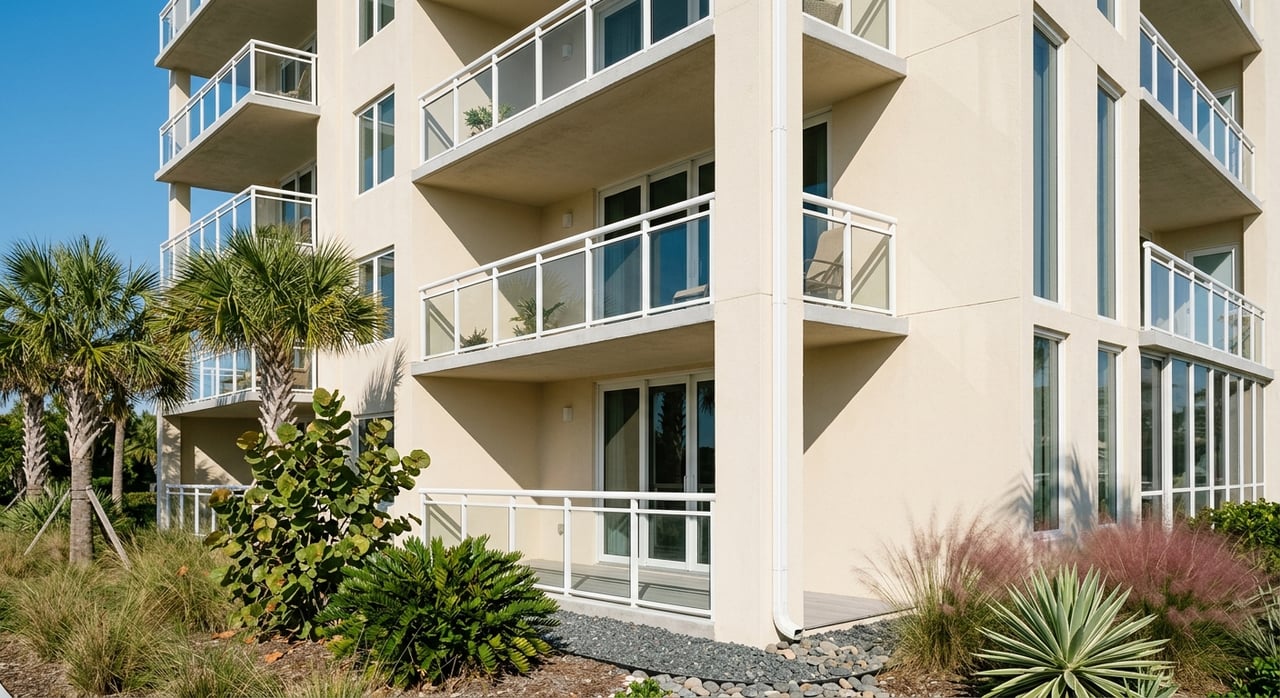
What First-Time Condo Buyers Should Check in Cocoa Beach
May 14, 2026
May 14, 2026
Buying your first condo in Cocoa Beach can feel exciting right up until you realize you are not just buying a unit. You are also buying into a building, an association, and a set of financial and maintenance decisions that can shape your costs long after closing. If you want to avoid surprises and make a smart move by the coast, this guide will walk you through what matters most before you buy. Let’s dive in.
In Cocoa Beach, condo shopping involves more than comparing views, floor plans, and monthly dues. Because this is a coastal market, building condition, insurance, and future repair costs often deserve closer attention than they might in a typical single-family home purchase.
Florida has passed multiple condo-related laws since 2022 focused on life safety, management, transparency, and enforcement. For you as a buyer, that means documents, reserve funding, inspection history, and project eligibility can matter just as much as the unit itself.
Another local factor is saltwater exposure. Under Florida law, the local enforcement agency can require a building’s first milestone inspection at 25 years instead of 30 when local conditions, including proximity to salt water, justify it. In a beach community like Cocoa Beach, that makes building age important, but not enough on its own.
One of the biggest first-time buyer mistakes is focusing only on the condo interior. New floors, updated cabinets, and ocean breezes are great, but they do not tell you whether the association is keeping up with the roof, structure, waterproofing, or insurance.
For many condo loans, the lender must determine that the entire condo project meets eligibility standards before the loan can move forward. That means a beautiful unit can still run into financing trouble if the project has unresolved repairs, weak finances, or insurance issues.
For a resale condo in Florida, buyers are entitled to current copies of important association documents. Request these as early as possible so you have time to review them before your decision deadlines.
Your package should include:
Florida law also requires contract language to address whether required milestone inspection or structural reserve items are complete or missing. If required disclosures are not delivered as they should be, the contract can become voidable.
The resale package is only part of the picture. Florida also requires associations to maintain official records such as financial reports, reserve studies, inspection reports, contracts, bids, permits, and other operational documents.
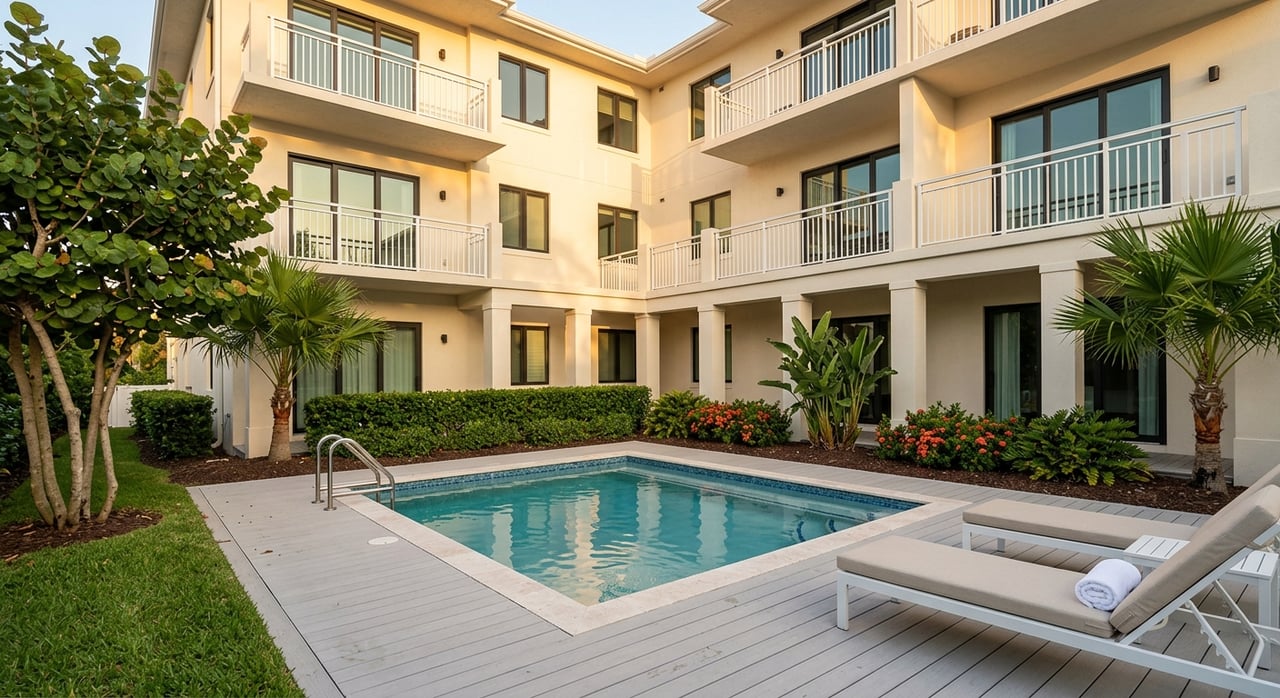
These records can show you how the building has actually been managed over time. Marketing photos may highlight the pool deck and lobby, but permits, reports, and budgets can reveal whether the association is planning ahead or reacting late.
For larger associations with 25 or more units and no timeshare units, many of these records must also be posted online by the association. That can make your review process easier, but you still need to read carefully.
Your monthly condo payment is not just your mortgage and the regular association fee. In Florida, reserve funding and special assessments can have a major effect on your real cost of ownership.
Reserve funding is especially important now. If a building must obtain a structural integrity reserve study, the reserve amount for covered items must follow that study’s findings and recommendations. For budgets adopted on or after December 31, 2024, many unit-owner-controlled associations that must obtain a structural integrity reserve study may not waive or reduce reserves for those covered items.
That matters because underfunded reserves can lead to higher fees later, deferred maintenance, or special assessments when major work comes due.
A structural integrity reserve study focuses on some of the building’s most expensive and important systems. These include:
At minimum, the study should show remaining useful life, replacement cost or deferred maintenance expense, and a funding schedule. For a Cocoa Beach condo, these are not just technical details. They can point to future costs that may affect your budget.
If the association has approved a special assessment, or may be discussing one, you want to know that before closing. Florida law requires written notice stating the specific purpose of a special assessment, and the money collected can be used only for that purpose.
A key document here is the estoppel certificate. This gives you a pre-closing snapshot of the unit’s regular assessment, any special assessments or other amounts due, certain fees, violations, transfer rules, and insurance contacts.
Because assessments can attach to the unit and the association has lien rights, the estoppel certificate is one of the best tools for confirming there are no unpaid balances or collection issues tied to the property.
In Cocoa Beach, older coastal buildings deserve a closer look. Florida’s milestone inspection law applies to buildings that are three habitable stories or more, and these inspections follow statutory deadlines.
The local enforcement agency may require the first inspection at 25 years when local conditions such as saltwater proximity justify it. Once completed, the association must distribute the inspector-prepared summary to owners, and if the association has a website, the full report and summary must be posted there.
For you, this means inspection history is not optional background reading. It is part of understanding the actual condition of the building you may be joining.
As you review a Cocoa Beach condo, ask:
These questions can help you separate a well-managed building from one that may come with more risk or future expense.
Many first-time buyers assume that if their income, credit, and down payment are solid, the loan should be straightforward. With condos, that is not always the case.
Project approval can make or break the deal. Fannie Mae says lenders must determine that the condo project meets eligibility rules before a loan can be delivered. Major concerns can include poor financial health, unresolved critical repairs, inadequate master property insurance, significant litigation, and hotel or short-term-rental-style operations.
Some projects may qualify for a more limited review, depending on loan-to-value ratio, occupancy, and location. Others may require a more complete review or another approved path.
The smartest move is to have your lender verify condo project eligibility before your due diligence period ends. That can save you time, money, and stress.
Insurance is another area where coastal condo purchases need extra attention. Florida law requires condo associations to maintain adequate property insurance, and the statute allows flood insurance for common elements, association property, and units.
But the headline premium does not tell the whole story. The law says deductibles may be based on available funds and assessment authority, which means a building can carry insurance while owners still face a sizable post-loss assessment depending on the circumstances.
Flood coverage also needs separate attention. Flood insurance is a separate policy, so you should confirm what the association carries, what may apply to the unit, and whether you need additional coverage.
If you want a simple way to stay organized, use this checklist as you narrow your options:
The biggest takeaway is simple. In Cocoa Beach, condo documents are not just paperwork. They are part of the property.
When you buy a condo here, you are also stepping into the building’s maintenance history, reserve planning, inspection record, insurance structure, and lender eligibility profile. The more clearly you understand those pieces before you buy, the more confidently you can move forward.
If you are thinking about buying your first condo in Cocoa Beach and want local guidance that keeps the process clear and grounded, connect with Ray Giamporcaro for practical, high-touch support on Florida’s Space Coast.
Stay up to date on the latest real estate trends.



Get assistance in determining current property value, crafting a competitive offer, writing and negotiating a contract, and much more. Contact Ray today to discuss all your real estate needs!