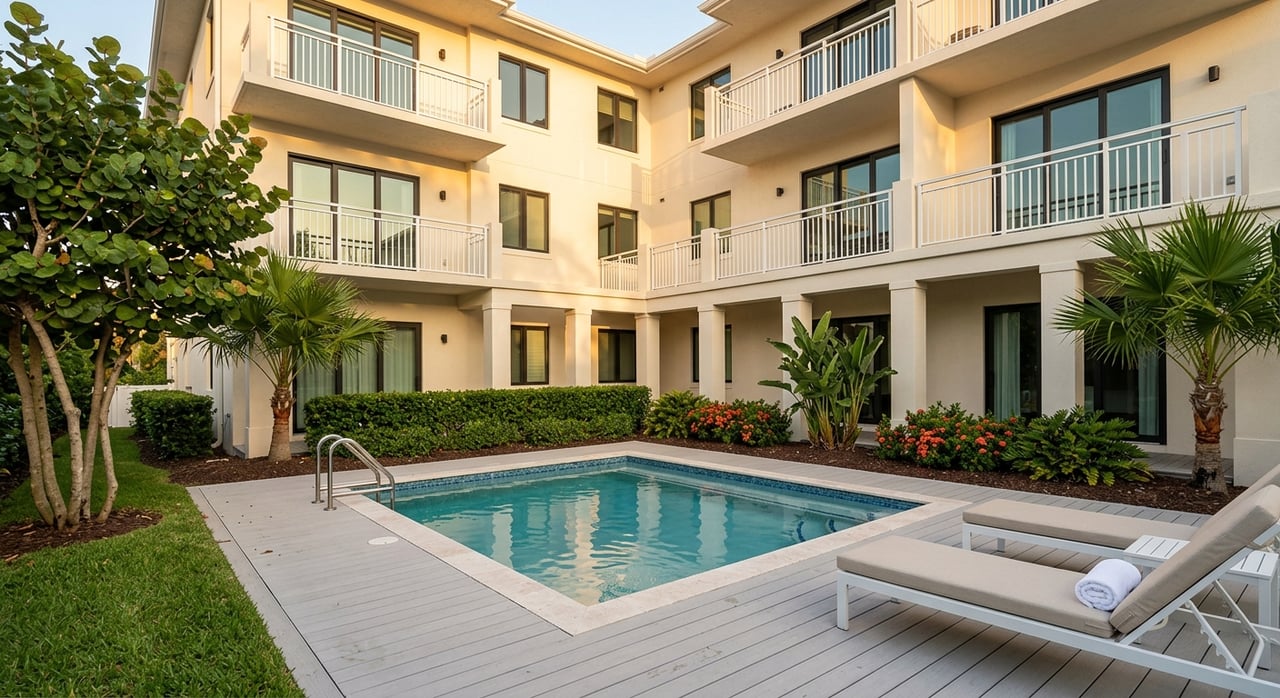
Your Guide to Melbourne Beach Second Home Buying
July 2, 2026
July 2, 2026
Dreaming about a place where you can slip away to the coast without leaving Florida? Buying a second home in Melbourne Beach can sound simple at first, but beachside ownership comes with a few important rules, costs, and planning steps that are easy to miss. If you want a getaway home that fits your lifestyle and your budget, it helps to know what to expect before you make an offer. Let’s dive in.
Melbourne Beach sits within Brevard County’s coastal system, where beaches play a major role in the local tourism economy. That matters because it helps explain the area’s strong lifestyle appeal and why shoreline conditions, visitor activity, and beach management can influence the ownership experience.
For many second-home buyers, that mix is the draw. You get beach access, a laid-back coastal setting, and a town environment that feels more specialized than a typical inland market. At the same time, owning near the ocean usually means paying closer attention to insurance, maintenance, and local rules.
A second home is not treated the same way as a primary residence. In Brevard County, homestead benefits are tied to owning and occupying a property as your permanent residence on or before January 1 of the year you seek the exemption, with an application deadline of March 1.
That means a true second home generally will not qualify for homestead exemption benefits. The county also ties assessment-cap protection to permanent residence, so you should not assume your tax treatment will match that of a full-time owner-occupant.
When you buy a second home in Melbourne Beach, the purchase price is only part of the story. Your real budget should also include property taxes, insurance, routine upkeep, storm prep, and any services needed while the home sits vacant.
This is especially important if you plan to use the property only part of the year. A coastal home can require a more active ownership plan than a weekend place in a less weather-exposed area.
Because a second home usually does not qualify for homestead treatment in Brevard County, your tax picture may be different from what you pay on a primary residence. Before you buy, it is smart to estimate taxes based on the specific property rather than relying on a general online guess.
In Florida, hurricane coverage and flood coverage are not the same thing. The Florida Department of Financial Services states that hurricane coverage does not include flooding, and insurers must offer hurricane deductible options of $500, 2%, 5%, or 10% of dwelling limits.
That is why insurance quotes should happen early in your home search, not after you are already emotionally committed. A home that looks similar to another on paper can carry very different insurance costs based on flood zone, roof details, shutters, and other wind-mitigation features.
The state also notes that documented features like roof reinforcement, stronger roof-to-wall connections, and shutters can reduce windstorm premiums when verified on the Uniform Mitigation Verification Inspection Form. For a second-home buyer, that can make a real difference in long-term carrying costs.
If you are comparing homes, ask about the roof age, impact protection, shutters, and any prior mitigation work. Those details can affect both insurability and monthly ownership costs.
One of the most important parts of buying a second home in Melbourne Beach is verifying flood exposure before you close. Buyers should confirm the specific FEMA flood zone for the property and ask whether the lender will require flood insurance if the home is in a Special Flood Hazard Area.
This step matters even if you do not plan to rent the property and even if the home looks well maintained. In a beachside market, flood and storm risk should be part of your buying decision from day one.
Melbourne Beach treats coastal ownership as a specialized regulatory environment. The Town’s Building Official handles flood control, coastal construction, and coastal setback regulation, which is especially important for homes near the shoreline.
The town’s building guidance also states that most work beyond painting, flooring, cabinets, and residential landscaping requires a permit. That matters if you are thinking about updating windows, changing exterior features, improving outdoor spaces, or doing work after closing.
Permit review in Melbourne Beach helps verify contractor licensing and insurance. That can be helpful, but it also means you should not assume a project will be quick just because it seems minor.
If a home has had additions, exterior upgrades, or storm-related repairs, reviewing the permit history can give you a clearer picture of what was done. For a second home, this is useful because you may not be nearby to oversee work yourself.
If your Melbourne Beach home will sit empty for weeks or months at a time, you need a practical care plan. That includes housekeeping, mail handling, storm preparation, and local support if something happens while you are away.
The town’s police department offers a house-check request program, but it is limited to 60 days and requires a keyholder who can respond within 30 minutes. That means the program can be a useful layer of support, but it is not a substitute for a full absentee-owner plan.
Some second-home buyers want personal use now and rental flexibility later. If that is your plan, Melbourne Beach is a market where you need to confirm the rules before you buy, not after.
Under Florida law, a property can be treated as a vacation rental if it is rented more than three times in a calendar year for periods under 30 days, or if it is advertised as regularly rented that way. A vacation rental can include certain one- to four-family dwelling types when used as a transient public lodging establishment.
Melbourne Beach requires vacation-rental registration, with separate registration for each unit. The town also requires compliance with town, building, and fire codes before a certificate is issued, and renewals are handled through the town portal.
The operating rules are detailed, which is important for buyers who want short-term rental income. The town caps occupancy at two occupants per bedroom or 10 total, requires all vehicles to park in the driveway, limits total vehicles to four, and requires a 24/7 reachable owner or responsible party.
The responsible party must respond within one hour to life-safety, noise, and parking violations. Rental postings must also include specific information such as the property address, contact details, occupancy limits, parking sketch, emergency numbers, evacuation instructions, rip-current information, sea-turtle-lighting guidance, noise rules, and evacuation maps.
If you are underwriting a second home as a part-time rental, do not stop at gross income. Florida taxes short-term accommodations through state sales tax and discretionary sales surtax, and Brevard County’s tourism tax page says the county currently adds 5% Tourist Development Tax to short-term rentals of six months or less in listed accommodation categories.
Because tax treatment can vary by use and property type, you should verify how current rules apply to the exact property you are considering. That extra step can help you avoid overestimating cash flow.
A good second-home purchase is about fit, not just location. Before you move forward, make sure the home works for your personal use, carrying costs, and any future rental goals.
Here is a practical checklist to keep your search focused:
Buying a second home in Melbourne Beach is not only about finding a beautiful property near the ocean. It is also about understanding how coastal ownership works in real life, from insurance and permitting to vacancy planning and possible rental compliance.
That is where local guidance can make the process smoother. When you know what to verify early, you can shop with more confidence, compare homes more accurately, and avoid surprises after closing.
If you are exploring second-home options in Melbourne Beach or anywhere along the Space Coast, Ray Giamporcaro can help you evaluate properties with a local, practical eye and a clear plan for your goals.
Stay up to date on the latest real estate trends.
Get assistance in determining current property value, crafting a competitive offer, writing and negotiating a contract, and much more. Contact Ray today to discuss all your real estate needs!